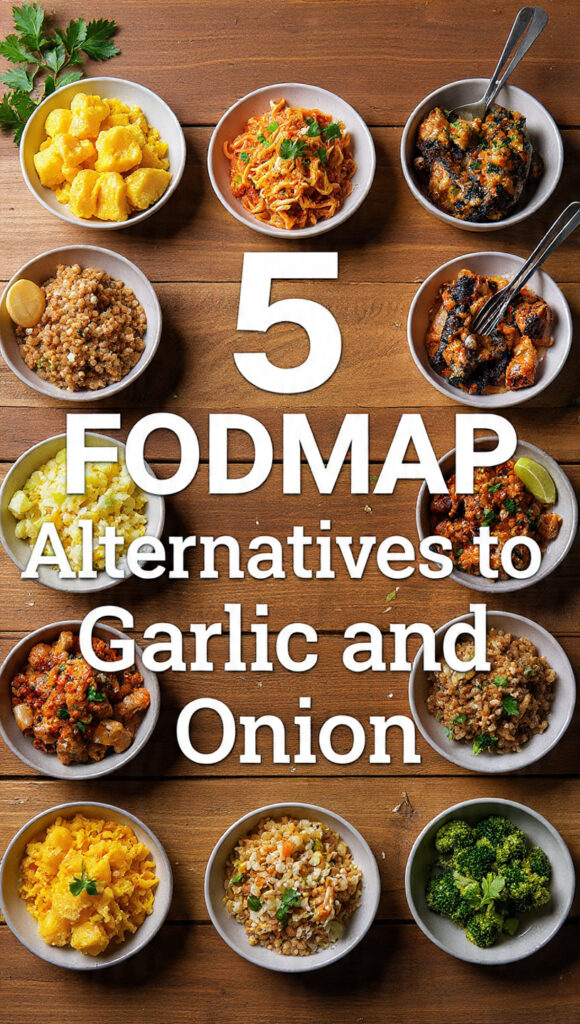
5 Low FODMAP Alternatives to Garlic and Onion
Having to cut out garlic and onion can feel like losing the backbone of every delicious meal. They’re in everything from pasta sauce and stir-fries to salad dressings and marinades.
This post may contain affiliate links, which means I’ll receive a commission if you purchase through my link, at no extra cost to you. Please read full disclosure here.
The good news is you don’t have to settle for bland food just because you’re following a low FODMAP diet. With a few smart swaps, you can rebuild flavor in your cooking without upsetting your gut.
Below are five low FODMAP alternatives to garlic and onion that will help you cook confidently, enjoy your meals, and still take care of your digestion.
Garlic-Infused Oil
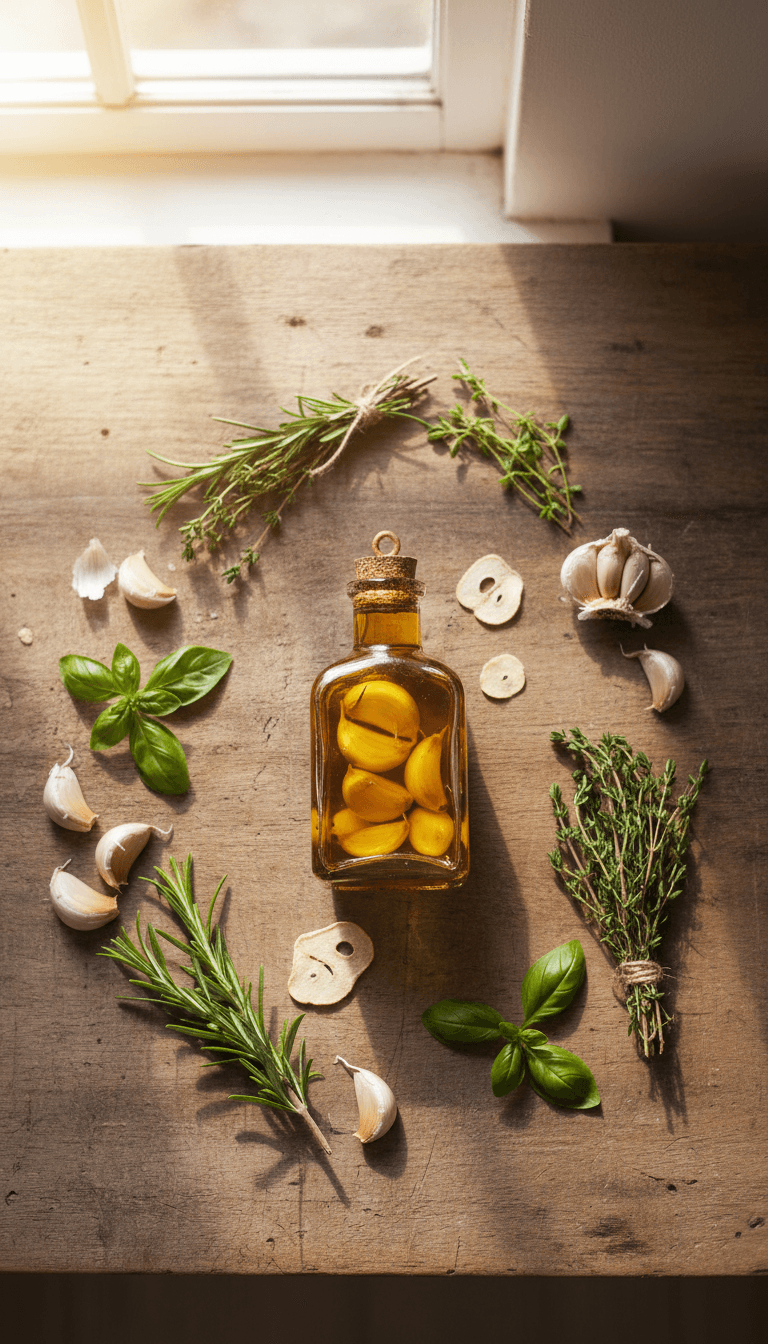
Garlic-infused oil is one of the simplest and most flavorful low FODMAP swaps. The key is that the FODMAPs in garlic are water-soluble, not fat-soluble, so the flavor infuses into the oil while the gut-triggering carbs stay behind.
- Use as a base for sautés, stir-fries, and roasted vegetables
- Drizzle over pasta, pizza, or grilled meats for a garlicky finish
- Choose commercially prepared low FODMAP-certified oils when possible
- Store in the fridge and use within the recommended time frame for safety
You still get that familiar garlic aroma and taste, just without the digestive backlash. It’s an easy, one-to-one flavor booster for almost any savory dish.
Action tip: Replace the garlic in your favorite recipes with 1–2 tablespoons of garlic-infused oil added at the start of cooking.
Green Tops of Spring Onions and Leeks
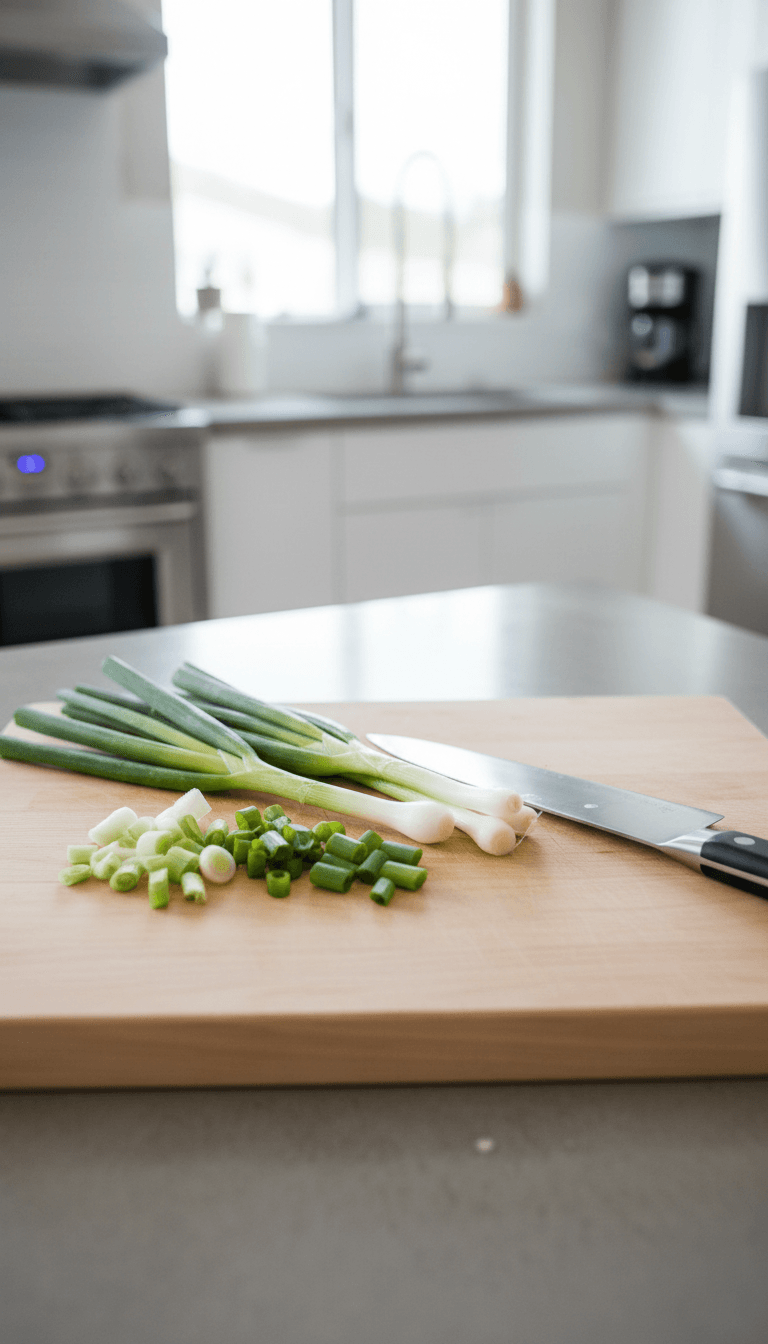
While the white bulbs are high FODMAP, the green tops of spring onions (scallions) and leeks are low FODMAP in moderate portions. They bring a mild onion-like flavor and fresh color to your dishes.
- Finely slice green tops and sprinkle over soups, stews, and curries
- Stir into omelets, fried rice, and salads for a gentle onion note
- Add at the end of cooking to keep their fresh taste and texture
- Stick to recommended low FODMAP serving sizes (for example, a small handful per serve)
These greens are especially helpful if you miss the brightness and aroma of onion. They’re versatile, budget-friendly, and easy to keep on hand.
Action tip: Keep a bunch of spring onions in your fridge and use only the green tops as your go-to onion replacement.
Asafoetida (Hing) Powder
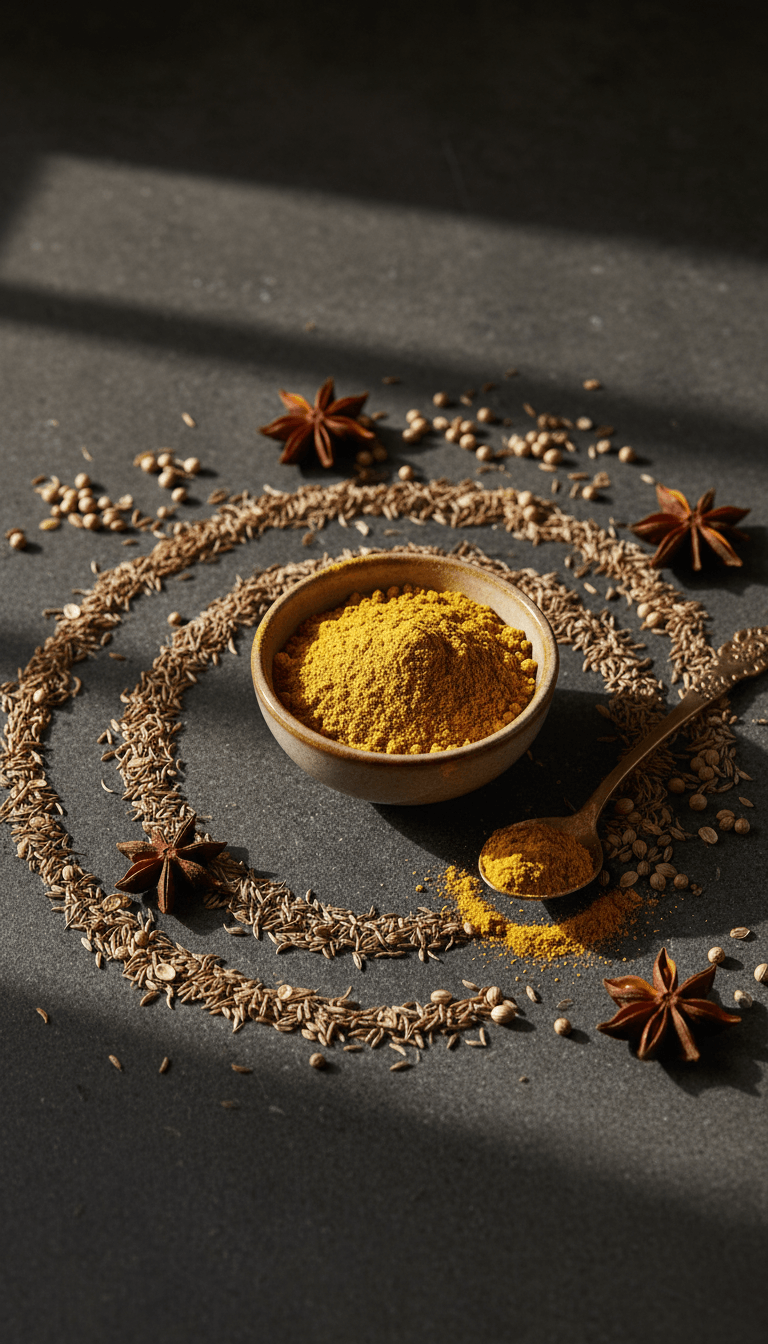
Asafoetida, or hing, is a spice commonly used in Indian cooking that can mimic the savory depth of both garlic and onion. It’s very potent, so a tiny pinch goes a long way.
- Choose a gluten-free asafoetida blend if you need it (many are mixed with wheat flour)
- Add a pinch to hot oil or ghee at the start of cooking to mellow the sharpness
- Use in curries, lentil dishes (when allowed), and vegetable sautés
- Combine with other spices like cumin and coriander for a rounded flavor
Because it’s so strong, it’s perfect for building complexity in low FODMAP dishes without adding volume. Start very small and increase gradually to find your preferred level.
Action tip: Next time you make a curry or stew, skip the garlic and onion and add just 1/8 teaspoon of asafoetida to hot oil at the beginning.
Chives and Garlic Chives
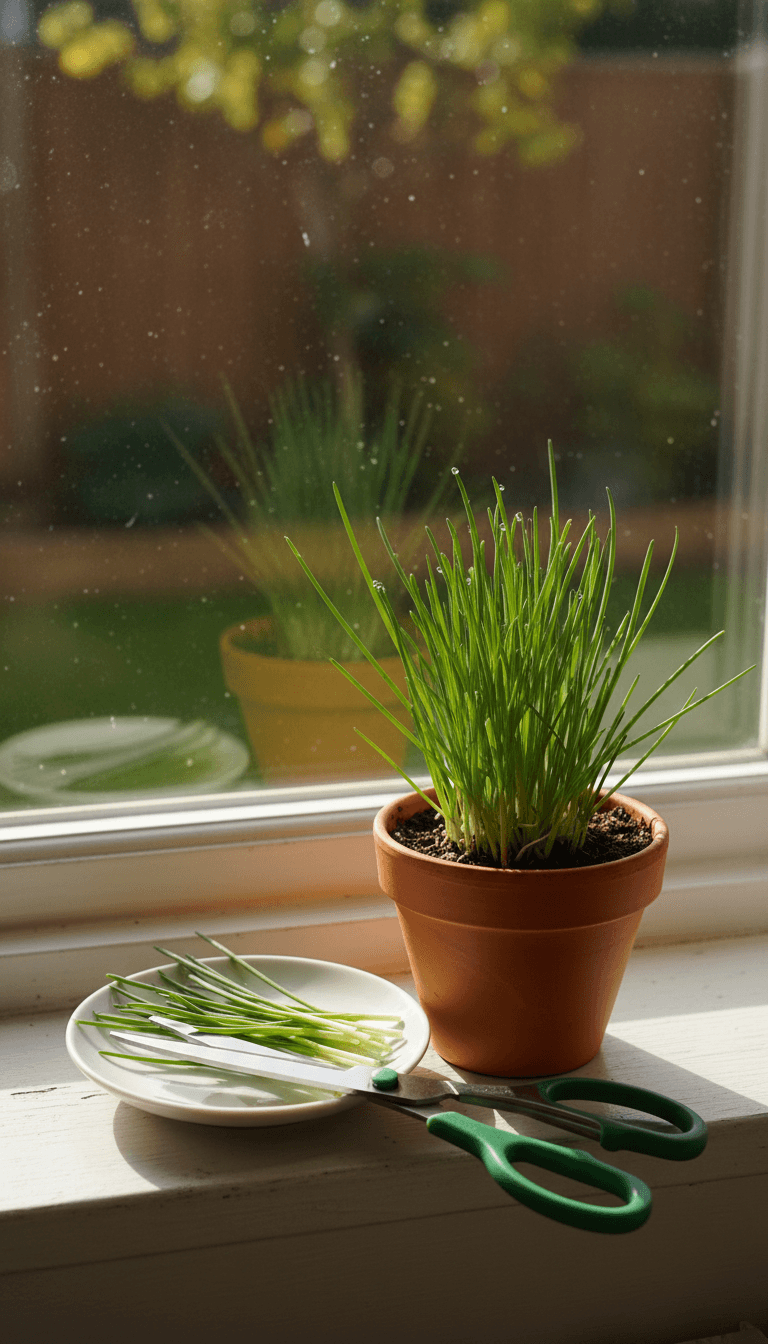
Chives offer a gentle onion-like flavor, and garlic chives (if tolerated) can give a whisper of garlic without the FODMAP load of whole cloves. They’re excellent for finishing dishes and adding freshness.
- Snip over potatoes, eggs, soups, and savory oats for a mild onion hit
- Stir into lactose-free sour cream or yogurt for a quick low FODMAP “onion” dip
- Combine with other herbs like parsley, basil, or dill for layered flavor
- Freeze chopped chives in small portions so you always have some on hand
Because they’re delicate, chives work best added right before serving. They’re especially helpful if you miss the finishing touch of raw onion on your meals.
Action tip: Keep a pot of chives on your windowsill and use kitchen scissors to cut them fresh over your meal just before eating.
Umami-Boosters: Herbs, Spices, and Pantry Staples
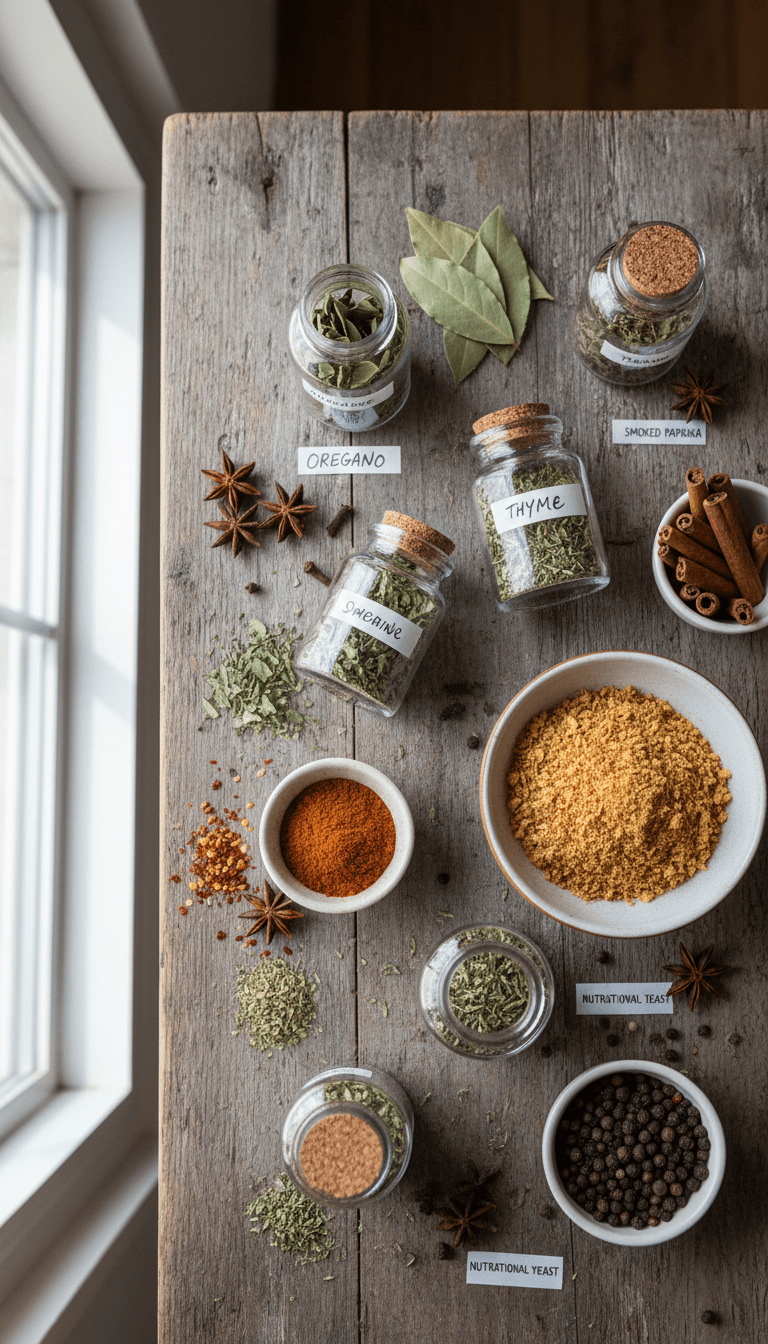
Without garlic and onion, leaning into umami and aromatic herbs is crucial for exciting flavor. A smart mix of low FODMAP herbs, spices, and pantry ingredients can easily replace that missing depth.
- Use herbs like rosemary, thyme, oregano, basil, and parsley generously
- Add umami with low FODMAP amounts of tomato paste, soy sauce or tamari, and nutritional yeast
- Build flavor layers: start with infused oil, then add spices, then finish with fresh herbs
- Toast spices in oil briefly to unlock aroma before adding other ingredients
This approach turns any simple dish into something satisfying and complex, even without the usual alliums. Over time, you’ll develop your own signature flavor blends.
Action tip: Create a simple low FODMAP “house blend” using dried oregano, basil, thyme, and a pinch of smoked paprika, and use it whenever a recipe calls for garlic or onion.
Conclusion
Cutting out garlic and onion doesn’t mean giving up bold, satisfying meals. With infused oils, green tops, powerful spices like asafoetida, fresh chives, and umami-rich herbs and pantry staples, you can rebuild flavor in a low FODMAP-friendly way.
Experiment with one or two of these alternatives at a time and adjust to your taste and tolerance. With a bit of practice, you’ll have a new set of go-to flavor tools that keep both your gut and your taste buds happy.