How to Water a Bonsai Tree: Expert Tips for Keeping Your Bonsai Healthy
Bonsai trees are a beautiful and unique addition to any home or garden. These miniature trees require a lot of care and attention, including proper watering. Watering a bonsai tree is not as simple as pouring water on it every day. It requires a delicate balance of timing, amount, and technique to ensure the tree stays healthy and vibrant.
This post may contain affiliate links, which means I’ll receive a commission if you purchase through my link, at no extra cost to you. Please read full disclosure here.
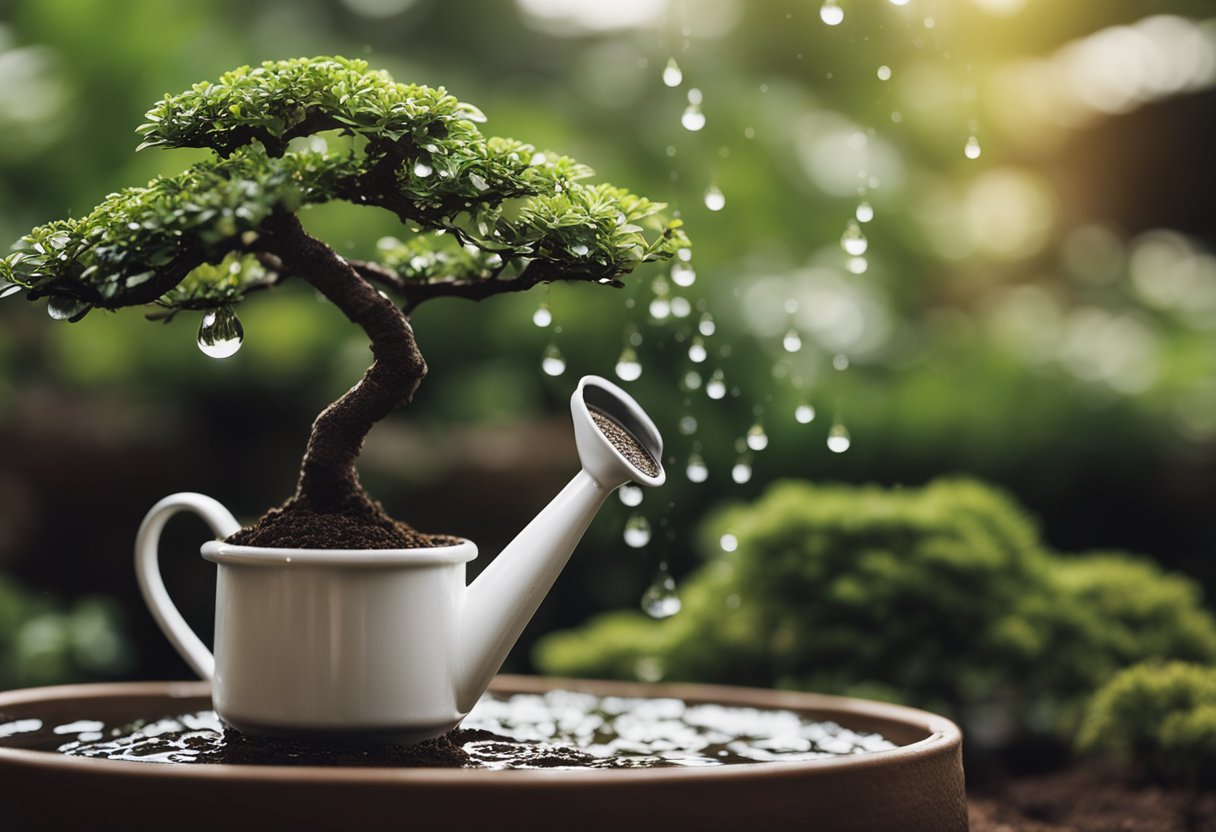
To properly water a bonsai tree, it is important to understand the tree’s specific needs. Factors such as the size of the tree, the type of soil it is planted in, and the climate it is in all play a role in determining how much water the tree needs and how often. Overwatering or underwatering can both be detrimental to the tree’s health, so finding the right balance is crucial.
There are several techniques for watering a bonsai tree, including using a watering can with a fine rose or tip to avoid hitting the leaves, checking the soil moisture with your fingers, and avoiding using cold water on newly transplanted trees. With the right knowledge and care, anyone can learn how to properly water a bonsai tree and keep it thriving for years to come.
Understanding Bonsai Trees
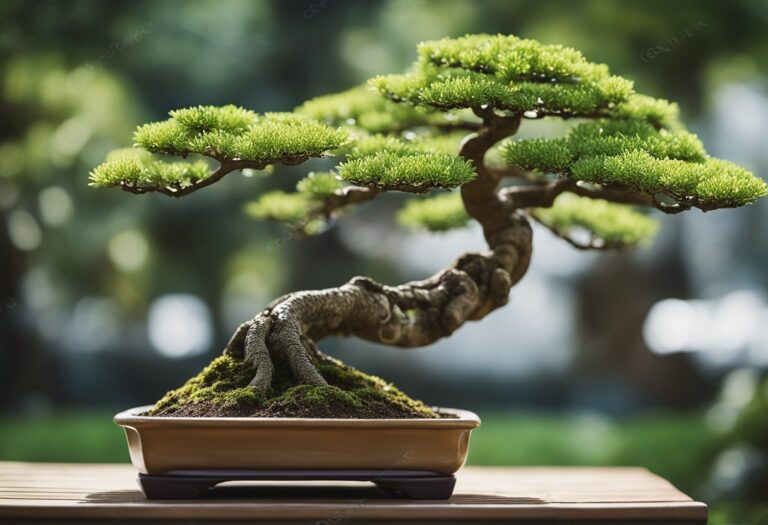
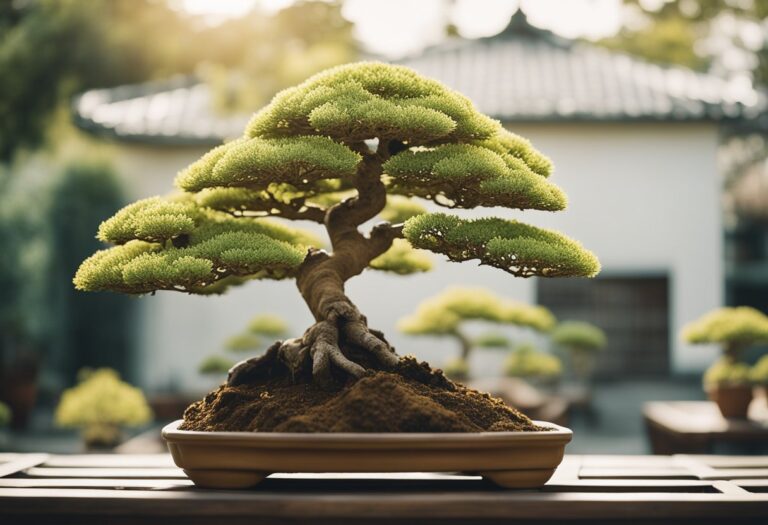
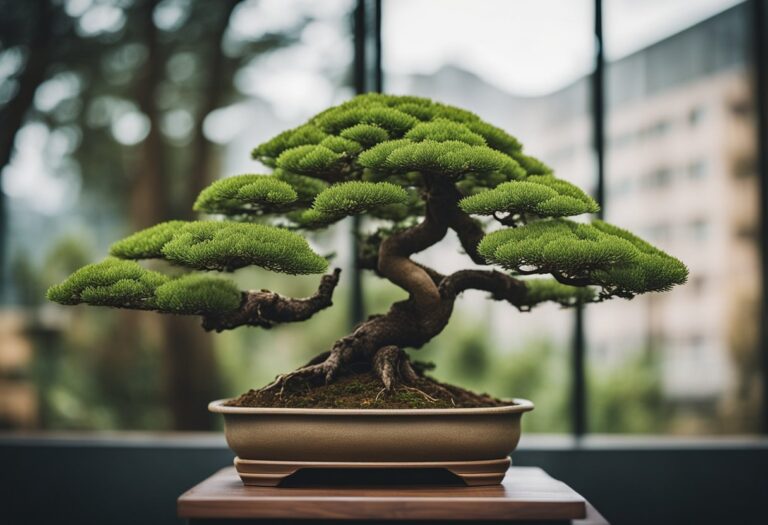
Bonsai trees are a form of art that involves growing miniature trees in small pots. These trees are carefully cultivated to mimic the appearance of a full-sized tree, but in a much smaller form. They can be either deciduous or evergreen, and can be grown both indoors and outdoors.
Taking care of bonsai trees requires a certain level of skill and knowledge. Understanding the different species of bonsai trees, their growth habits, and their specific care requirements is essential for growing healthy bonsai trees.
Indoor bonsai trees require more attention than outdoor bonsai trees because they are grown in a more controlled environment. They need to be watered regularly, and the soil should be kept moist but not waterlogged. Outdoor bonsai trees, on the other hand, are exposed to the elements and require less watering.
Bonsai trees should be pruned regularly to maintain their shape and size. This helps to keep them healthy and promotes new growth. The roots of bonsai trees should also be pruned periodically to prevent them from becoming root-bound.
In summary, bonsai trees are an art form that requires a certain level of skill and knowledge to cultivate. Understanding the specific care requirements of different species of bonsai trees is essential for growing healthy bonsai trees. Regular pruning and root maintenance are also necessary for maintaining the shape and health of the trees.
The Importance of Watering
Watering is one of the most important aspects of taking care of a bonsai tree. It is crucial to understand the watering needs of your bonsai tree to ensure its health and longevity.
Bonsai trees require regular watering to maintain their health and vitality. The frequency of watering depends on several factors, such as the species of the tree, size of the tree, size of the pot, time of year, soil mixture, and climate.
Overwatering and under-watering are two common mistakes that can harm a bonsai tree. Overwatering can lead to root rot, while under-watering can cause the tree to dry out and die. It is important to find the right balance and watering schedule for your bonsai tree.
When watering a bonsai tree, it is important to use the correct watering technique. A continuous source of moisture is essential for the tree’s health. It is recommended to water the tree thoroughly until water runs out of the drainage holes in the bottom of the pot.
The source of water is also important. It is recommended to use filtered or distilled water to prevent any harmful chemicals or minerals from harming the tree.
In addition to proper watering technique and water source, there are other watering tips that can help maintain the health of your bonsai tree. For example, it is recommended to water the tree early in the morning or late in the evening to avoid evaporation.
Overall, understanding the watering requirements of your bonsai tree is essential for its health and longevity. With the right watering schedule, technique, and source of water, your bonsai tree can thrive and bring beauty to your home or garden.
Identifying the Right Soil and Pot
Choosing the right soil and pot is crucial for the health of a bonsai tree. The soil should be well-draining to prevent root rot, which can occur when the soil is too dense and holds too much water. Bonsai soil is specifically designed to provide good drainage and aeration while retaining enough moisture for the tree’s roots.
Bonsai soil is a mixture of different components, such as lava rock, peat, compost, clay, perlite, vermiculite, and coarse sand. The exact mixture depends on the species of tree and the climate in which it will be grown. Some trees prefer a more acidic soil, while others prefer a more alkaline soil.
Lava rock is a common component in bonsai soil because it provides good drainage and aeration. Peat moss is also used because it retains moisture well. Compost can be added to provide nutrients to the soil, but it should be well-aged to prevent burning the tree’s roots.
When choosing a pot, it’s important to consider the size of the tree and its root system. The pot should be large enough to accommodate the roots but not so large that the soil will retain too much moisture. Bonsai pots are typically shallow and have drainage holes to prevent water from pooling at the bottom.
In addition to bonsai soil, some growers also use a soil mixture that includes regular potting soil. This can be a good option for beginners who may not have access to bonsai soil or who are still learning how to care for their trees. However, it’s important to ensure that the soil mixture is well-draining and does not retain too much moisture.
Overall, choosing the right soil and pot is essential for the health of a bonsai tree. By providing good drainage and aeration, as well as the right amount of moisture and nutrients, the tree will be able to thrive and grow strong.
How to Water a Bonsai Tree
Proper watering is crucial for the health and survival of a bonsai tree. It is important to understand the specific watering needs of your bonsai tree to avoid over or under watering. In this section, we will discuss the top watering techniques and the chopstick method.
Top Watering Technique
Using a watering can with a fine rose or tip is the best way to water your bonsai tree. This will help avoid hitting the leaves of your tree when you water. It is recommended to use room temperature water, as cold water can shock the roots of your tree, causing the cells inside them to collapse and restricting growth.
To water your bonsai tree, gently pour water over the soil until it starts to drain from the bottom of the pot. This ensures that the entire root system is receiving water. Be sure to water your tree thoroughly, but do not let it sit in standing water, as this can lead to root rot.
Chopstick Method
The chopstick method is another way to determine if your bonsai tree needs watering. This method involves inserting a bamboo chopstick into the soil and leaving it for a few minutes. If the chopstick comes out dry, it is time to water your tree. If the chopstick comes out damp, wait a few more days before watering.
It is important to note that the frequency of watering depends on several factors, including the type of bonsai tree, the size of the pot, and the climate. Using a soil moisture meter can help you determine when your tree needs watering.
In addition to proper watering techniques, using a humidity tray can help keep your bonsai tree healthy by providing extra moisture to the surrounding air. This is especially important in dry climates or during the winter months when indoor heating can dry out the air.
In summary, proper watering is essential for the health and survival of your bonsai tree. Using a watering can with a fine rose or tip, the chopstick method, and a soil moisture meter can help you determine when your tree needs watering. Additionally, using a humidity tray can help provide extra moisture to the surrounding air.
Factors Influencing Watering
Several factors impact how often a bonsai tree needs watering, including:
- Species of the tree: Different species have varying water requirements. For example, a juniper bonsai tree requires less water than a ficus bonsai tree.
- Size of the tree: The larger the tree, the more water it needs. A small bonsai tree will require less water than a large bonsai tree.
- Pot size: The size of the pot will affect how much water the tree needs. A larger pot will hold more water, while a smaller pot will dry out more quickly.
- Time of year: The time of year will also affect the water requirements of the bonsai tree. During the summer months, the tree will need more water than during the winter months.
- Soil mixture: The soil mixture used for the bonsai tree will impact how often it needs to be watered. A soil mixture that retains water well will require less frequent watering.
- Climate: The climate in which the bonsai tree is located will also affect its water requirements. A tree located in a humid climate will require less water than a tree located in a dry climate.
Other factors that can impact watering include light, humidity, wind, and sunlight exposure. Direct sunlight can cause the soil to dry out more quickly, while a shaded area may require less frequent watering. It is important to monitor the tree and adjust watering accordingly based on the factors at play.
Recognizing Signs of Improper Watering
Improper watering is one of the most common mistakes made by bonsai enthusiasts. Overwatering or underwatering can lead to serious problems, including root rot, dehydration, and death of the tree. It is essential to recognize the signs of improper watering to prevent damage to your bonsai tree.
Signs of Underwatering
When a bonsai tree is not getting enough water, it will show several signs. The leaves may start to turn yellow and fall off. The tree may also develop dry, brittle branches and a dry, cracked soil surface. In severe cases, the leaves may wilt and dry out completely. If you suspect that your bonsai tree is underwatered, it is essential to take immediate action to prevent further damage.
Signs of Overwatering
Overwatering is another common mistake that can harm your bonsai tree. When a bonsai tree is overwatered, the soil becomes waterlogged, and the roots can’t get enough oxygen. This can lead to root rot and other problems. Signs of overwatering include yellowing leaves, wilting leaves, and a damp, mushy soil surface. If you suspect that your bonsai tree is overwatered, it is essential to reduce watering and improve drainage.
Checking Soil Moisture
Checking the soil moisture is the best way to determine if your bonsai tree needs watering. Stick your finger about one centimeter deep into the soil. If the soil feels dry, it is time to water your tree. If the soil feels damp, wait a few days before checking again. It is essential to avoid watering your bonsai tree on a routine schedule as this can lead to overwatering.
Preventing Dehydration
Dehydration is a serious problem that can occur when a bonsai tree is not getting enough water. It can lead to wilting, yellowing leaves, and even death of the tree. To prevent dehydration, it is essential to water your bonsai tree regularly and to ensure that the soil is moist but not waterlogged.
Conclusion
Recognizing the signs of improper watering is essential to keep your bonsai tree healthy and thriving. By checking the soil moisture regularly and taking action when necessary, you can prevent damage to your tree and enjoy its beauty for years to come.
Additional Bonsai Care Tips
In addition to proper watering techniques, there are several other factors to consider when caring for a bonsai tree. Here are some tips to keep in mind:
-
Roots and Drainage: It’s important to ensure that your bonsai tree has adequate drainage to prevent root rot. Make sure that your pot has drainage holes and that excess water can easily escape. Additionally, you may want to consider using a well-draining soil mix to promote healthy root growth.
-
Nutrients and Fertilizer: Bonsai trees require regular fertilization to maintain their health and vitality. However, it’s important to use the right type and amount of fertilizer, as over-fertilization can harm your tree. Consult a bonsai expert or do your research to determine the best fertilizer for your specific type of bonsai tree.
-
Pruning: Regular pruning is essential to maintain the shape and size of your bonsai tree. Make sure to use sharp, clean tools and to prune at the right time of year to avoid damaging your tree.
-
Disease Prevention: Bonsai trees can be susceptible to a variety of diseases, so it’s important to take steps to prevent infection. This may include regular cleaning of your tree and pot, as well as proper watering and fertilization techniques.
-
Container Size: The size of your bonsai tree’s container can have a significant impact on its growth and health. Make sure to choose a container that is appropriate for the size of your tree and that has adequate holding capacity for soil and water.
-
Aeration and Drainage: In addition to proper drainage, good aeration is also important for healthy root growth. Consider using a layer of gravel or sand at the bottom of your pot to promote aeration and drainage.
By following these tips and developing an in-depth understanding of your bonsai tree’s needs, you can ensure that it thrives for years to come. With practice, proper bonsai care can become second nature, allowing you to enjoy the beauty and tranquility of your miniature tree.