How Long Does It Take a Bonsai Tree to Grow? A Guide to Understanding the Growth Rate of Bonsai Trees
Bonsai trees are a unique form of art that has been around for centuries. These miniature trees require a lot of care and attention to maintain their small size and unique shape. One of the most common questions asked by beginners is how long it takes for a bonsai tree to grow.
This post may contain affiliate links, which means I’ll receive a commission if you purchase through my link, at no extra cost to you. Please read full disclosure here.
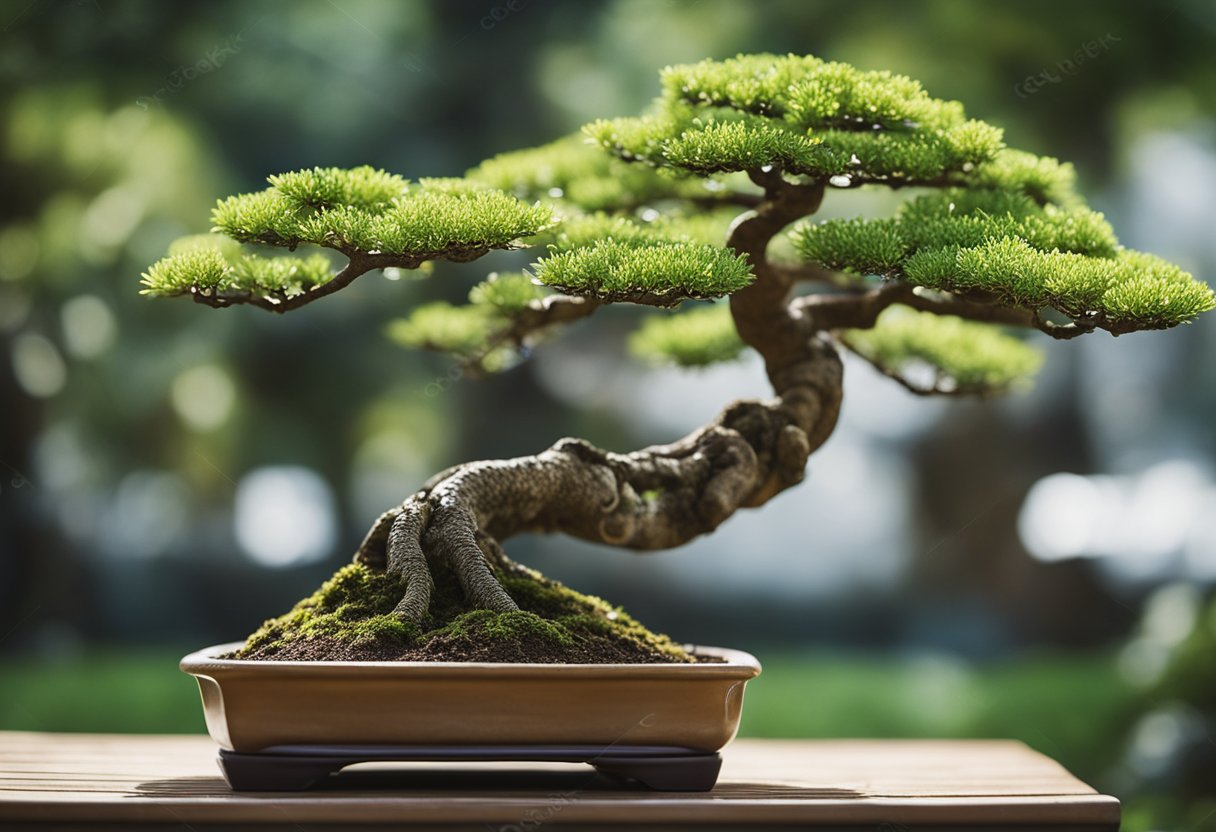
The answer to this question depends on several factors, including the type of tree, the size of the pot, and the level of care provided. In general, it can take anywhere from 5 to 15 years for a bonsai tree to reach maturity. During this time, the tree will require regular pruning, wiring, and shaping to maintain its desired shape.
While growing a bonsai tree can be a time-consuming process, it can also be a rewarding hobby for those who are patient and dedicated. With the right care and attention, a bonsai tree can provide years of enjoyment and beauty. In the following sections, we will explore the factors that affect the growth of bonsai trees and provide tips for growing and caring for these unique plants.
Understanding Bonsai Trees
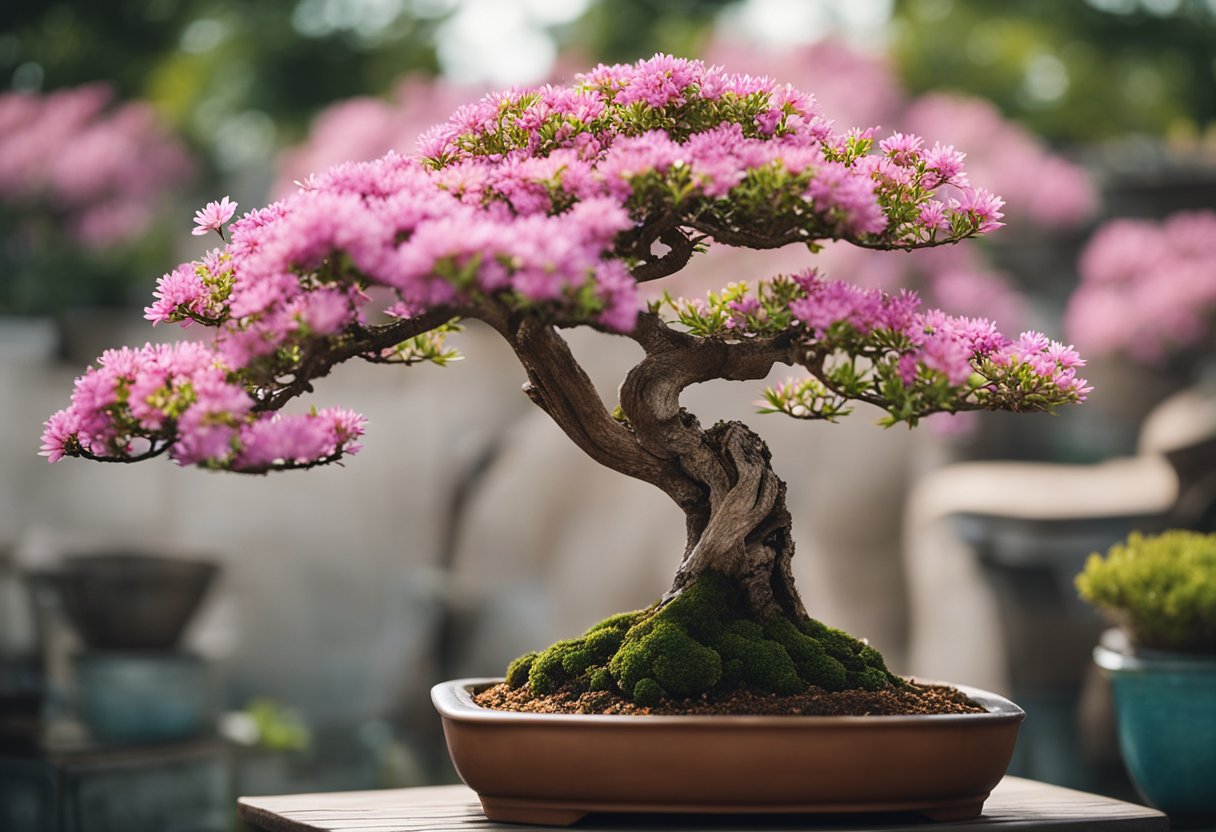
Bonsai trees are miniature trees that are grown in containers and trained to take on a specific shape or form. The art of bonsai originated in China over a thousand years ago and was later adopted and refined by the Japanese. Today, bonsai is a popular hobby around the world, and many people enjoy growing and caring for these unique trees.
Bonsai Tree Species
There are many different species of trees that can be grown as bonsai. Some of the most popular include the Ficus, Japanese Black Pine, Chinese Juniper, Japanese Maple, and Chinese Elm. Each species has its own unique characteristics and requirements, and it is important to choose a species that is well-suited to your climate and growing conditions.
The Art of Bonsai
The art of bonsai involves much more than simply growing a miniature tree. It is a complex and intricate process that requires careful attention to detail and a deep understanding of the tree’s growth habits and aesthetic qualities. Bonsai artists use a variety of techniques to shape and train their trees, including pruning, wiring, and grafting.
Bonsai and Its Miniature Size
One of the most distinctive features of bonsai trees is their miniature size. While a mature tree in nature can grow to be dozens or even hundreds of feet tall, a bonsai tree is typically only a few inches to a few feet tall. This miniature size is achieved through careful pruning and training, as well as by limiting the tree’s access to nutrients and water.
In conclusion, growing and caring for bonsai trees is a rewarding and challenging hobby that requires patience, skill, and a deep appreciation for the beauty of nature. Whether you are interested in growing a Ficus, Japanese Black Pine, Chinese Juniper, Japanese Maple, or Chinese Elm bonsai tree, it is important to choose a species that is well-suited to your climate and growing conditions. With proper care and attention, your bonsai tree can become a beautiful and unique work of art that will bring joy and beauty to your home or garden for many years to come.
Bonsai Tree Growth Process
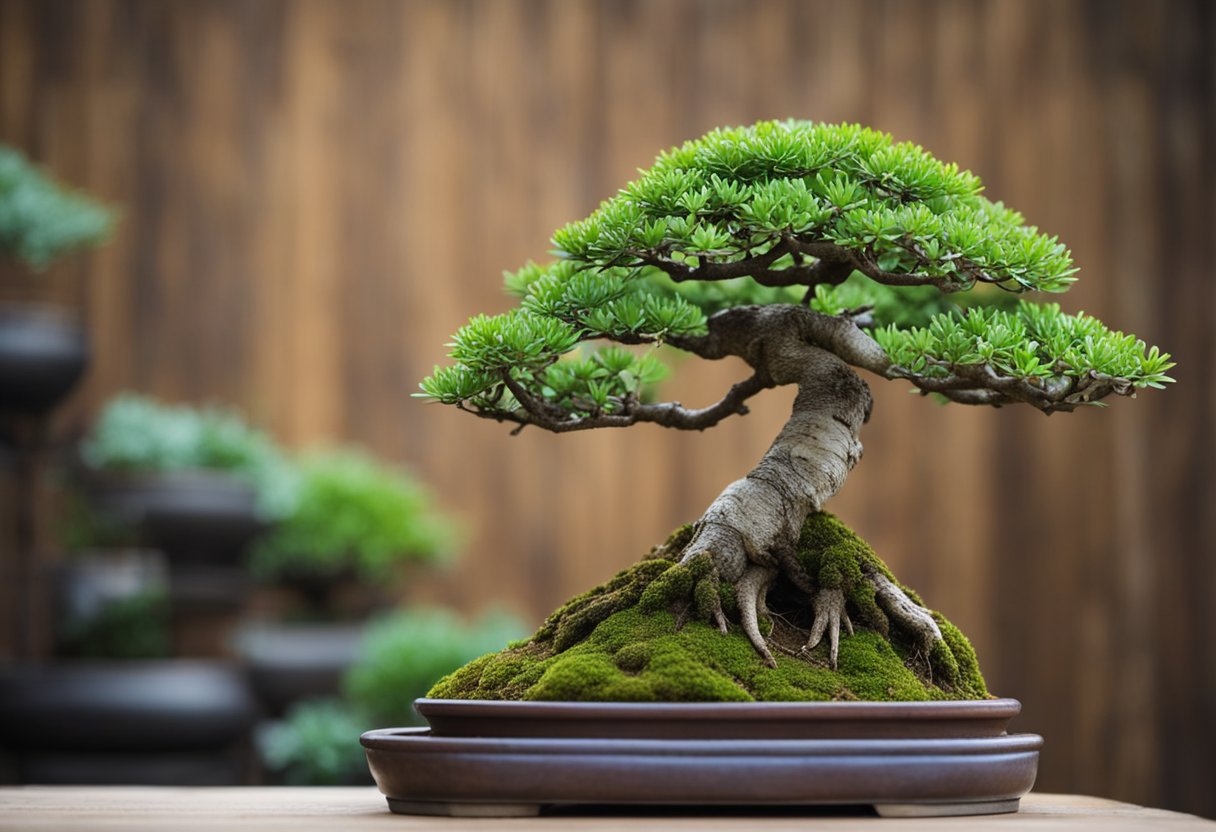
Bonsai trees are miniature versions of trees that are grown in pots. Growing a bonsai tree is a long process that requires patience, skill, and dedication. The growth process of a bonsai tree can be divided into three stages: from seed to sapling, maturity and longevity, and factors influencing growth.
From Seed to Sapling
Growing a bonsai tree from a seed is a long and challenging process. It can take anywhere from five to ten years to grow a bonsai tree from a seed or sapling. During this time, the tree is stunted to keep it small and compact. The process involves careful pruning, wiring, and training to create the desired shape and style.
Maturity and Longevity
Once a bonsai tree has reached its desired size and shape, it enters the maturity stage. At this point, the tree requires less maintenance and can be enjoyed for many years. The lifespan of a bonsai tree can vary depending on the species, but with proper care, some bonsai trees can live for over 100 years.
Factors Influencing Growth
Several factors can influence the growth of a bonsai tree, including sun, water, soil, climate, humidity, and location. The amount of sunlight a bonsai tree receives can affect its growth and development. Bonsai trees require a balance of sunlight and shade to grow properly. Water is also essential for the growth of a bonsai tree. Overwatering or underwatering can harm the tree and stunt its growth. The soil should be well-draining and nutrient-rich to support the growth of the tree. The climate and humidity levels should also be suitable for the species of bonsai tree. Finally, the location of the bonsai tree can also affect its growth. Indoor and outdoor bonsai trees have different requirements, and the location should be chosen carefully to ensure the tree’s optimal growth.
In conclusion, growing a bonsai tree is a long and challenging process that requires patience, skill, and dedication. The growth process of a bonsai tree can be divided into three stages: from seed to sapling, maturity and longevity, and factors influencing growth. With proper care and attention, a bonsai tree can be enjoyed for many years and even passed down through generations.
Caring for Bonsai Trees
Bonsai trees are delicate and require proper care to thrive. Here are some tips to help you care for your bonsai tree:
Watering and Fertilizing
One of the most important aspects of bonsai care is proper watering and fertilizing. Bonsai trees are typically kept in small pots, which means they require more frequent watering than larger plants. Water your bonsai tree when the soil starts to feel dry to the touch. Be sure to water the entire root system thoroughly, and allow excess water to drain out of the pot.
Fertilizing your bonsai tree is also important for its health and growth. Use a balanced fertilizer with equal amounts of nitrogen, phosphorus, and potassium. Fertilize your bonsai tree every two weeks during the growing season, and once a month during the dormant season.
Pruning and Shaping
Pruning and shaping are essential for maintaining the shape and health of your bonsai tree. Prune your bonsai tree regularly to remove dead or diseased branches, as well as any branches that are growing in the wrong direction. Use sharp, clean pruning shears to make clean cuts and prevent damage to the tree.
Shaping your bonsai tree is also important for creating the desired look and style. Use wiring to shape the branches of your bonsai tree, and remove any wires that are cutting into the bark. Be sure to wire your bonsai tree carefully to avoid damaging the branches.
Repotting and Root Care
Repotting your bonsai tree is necessary every two to three years to ensure proper growth and health. Choose a pot that is slightly larger than the current one, and use a well-draining soil mix. Be sure to trim the roots of your bonsai tree before repotting to encourage new growth.
Root care is also important for the health of your bonsai tree. Regularly check the roots for signs of disease or rot, and remove any damaged or dead roots. Be sure to water your bonsai tree carefully to avoid overwatering, which can lead to root rot.
Health and Maintenance
Maintaining the health of your bonsai tree requires proper care and attention. Regularly check for pests and diseases, and treat any problems immediately. Keep your bonsai tree in a location with proper lighting and humidity, and avoid extreme temperatures.
Proper care and maintenance are essential for the health and growth of your bonsai tree. Follow these tips to ensure your bonsai tree thrives and remains healthy for years to come.
Advanced Bonsai Techniques
Techniques for Faster Growth
For those who want to see their bonsai grow faster, there are a few techniques that can help speed up the process. One of the most effective ways is to use a fast-growing species such as the jade plant, jacaranda, or white pine. These species can grow up to 24 inches per year, which is much faster than the average bonsai tree.
Another way to encourage faster growth is to ensure that the bonsai is well-fed and receives plenty of sunlight. Fertilizing the tree regularly with a balanced fertilizer can help provide the necessary nutrients for healthy growth. Additionally, moving the bonsai to a sunnier spot can help increase the rate of growth.
Indoor vs Outdoor Bonsai
When it comes to growing bonsai, there are two main types: indoor and outdoor. Indoor bonsai trees are typically smaller and more delicate than their outdoor counterparts, and they require more attention to thrive. Outdoor bonsai trees, on the other hand, are more hardy and can withstand harsh weather conditions.
Indoor bonsai trees are best suited for those who live in apartments or have limited outdoor space. They require careful attention to temperature, humidity, and light levels, and they should be kept away from drafts and extreme temperatures. Outdoor bonsai trees, on the other hand, can be grown in a variety of climates and are more forgiving when it comes to temperature and humidity fluctuations.
Special Bonsai Species
There are many different species of bonsai trees, each with its own unique characteristics and growing requirements. Some of the most popular species include the Japanese maple, juniper, and ficus. However, there are also many lesser-known species that can make excellent bonsai trees.
One such species is the jade plant, which is known for its thick, succulent leaves and ability to grow quickly. Another fast-growing species is the jacaranda, which produces beautiful purple flowers in the spring. The white pine is another popular species, known for its elegant, needle-like leaves and hardy nature.
When choosing a bonsai species, it’s important to consider factors such as growth rate, size, and growing requirements. By selecting the right species and using the right techniques, it’s possible to create a beautiful and healthy bonsai tree that will thrive for years to come.
Bonsai as a Hobby and Investment
Bonsai is a unique and rewarding hobby that requires patience, dedication, and a love for nature. It is a form of art that has been practiced for centuries, originating in China and then spreading to Japan and other parts of the world. Growing a bonsai tree can take several years, but the end result is a beautiful miniature tree that can be displayed in your home or garden.
For some people, bonsai is not just a hobby but also an investment. Rare and exotic bonsai trees can be worth thousands of dollars, and their value can increase over time. However, investing in bonsai trees requires knowledge and experience, as well as the ability to identify and care for valuable specimens.
Patience is key when it comes to growing bonsai trees. It can take several years for a bonsai tree to mature and develop the desired shape and form. Bonsai trees require careful pruning, wiring, and training to achieve their unique appearance. This process can be time-consuming but also rewarding, as you watch your tree grow and develop over time.
In conclusion, bonsai is a fascinating hobby that requires patience, dedication, and a love for nature. It can also be a valuable investment for those with knowledge and experience in identifying and caring for rare and exotic specimens. Whether you are a beginner or an experienced bonsai enthusiast, growing a bonsai tree is a rewarding and fulfilling experience.