Do Bonsai Trees Need Sunlight? A Clear Answer
Bonsai trees are miniature trees that are grown in containers and are popular among gardening enthusiasts. They are known for their unique and intricate shapes and can be grown both indoors and outdoors. However, one common question that arises among bonsai enthusiasts is whether bonsai trees need sunlight to thrive.
This post may contain affiliate links, which means I’ll receive a commission if you purchase through my link, at no extra cost to you. Please read full disclosure here.
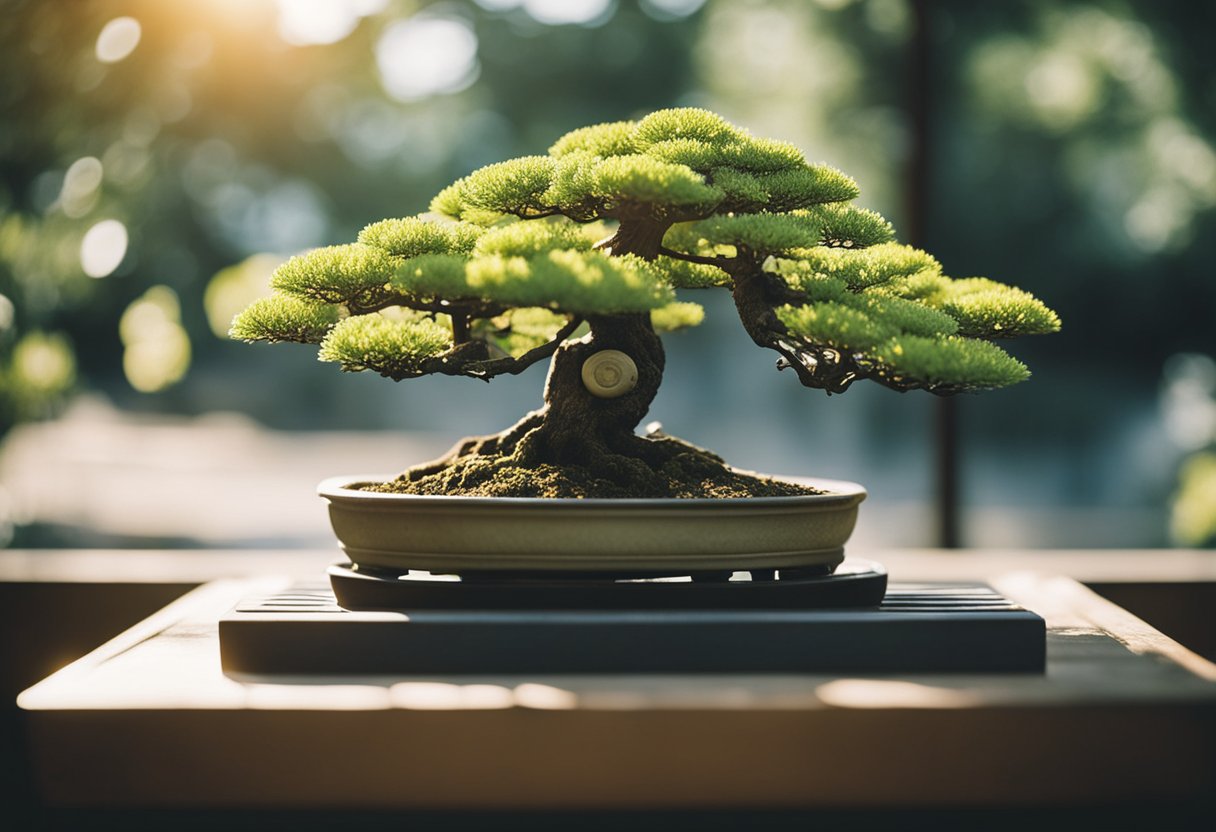
The simple answer is yes, bonsai trees need sunlight to grow and maintain their health. Sunlight is essential for photosynthesis, which is the process by which plants create energy from light. Without adequate sunlight, the bonsai tree will not be able to produce enough energy to grow and maintain its health. However, the amount of sunlight required by a bonsai tree varies depending on the species and location.
It is important to note that while bonsai trees need sunlight, they also need to be protected from excessive heat and direct sunlight, especially during the hottest parts of the day. Too much direct sunlight can cause the leaves to burn and damage the tree. Therefore, it is important to find the right balance between sunlight and shade to ensure that the bonsai tree thrives and remains healthy.
Understanding Bonsai Trees
https://www.youtube.com/watch?v=06P-ittpZM0&embed=true
Bonsai trees are small trees that are grown and trained to be miniature versions of larger trees. This art form originated in Japan and has become popular all over the world. Bonsai trees are known for their intricate designs and the skill required to grow them.
Bonsai trees come in many different species, including the Japanese maple, which is a popular choice for bonsai enthusiasts. The size of a bonsai tree can vary greatly depending on the age and species of the tree. Some bonsai trees can be as small as a few inches tall, while others can grow up to several feet tall.
To keep a bonsai tree healthy, it is important to understand its needs. Bonsai trees need sunlight to grow and thrive. The amount of sunlight required can vary depending on the species of the tree. Some bonsai trees require full sun, while others prefer partial shade. It is important to research the specific light requirements for the species of bonsai tree that you have.
In addition to sunlight, bonsai trees also need proper watering and fertilization. Over-watering or under-watering can be detrimental to the health of the tree. It is important to monitor the soil moisture levels and adjust watering accordingly. Fertilization should be done regularly to provide the necessary nutrients for the tree to grow.
The stem of a bonsai tree is an important part of its design. The stem can be trained to grow in a specific direction and shape to create the desired look for the tree. This process requires patience and skill, as the stem must be carefully pruned and wired over time.
Overall, bonsai trees are a beautiful and intricate art form that requires knowledge and skill to grow and maintain. Understanding the specific needs of your bonsai tree, including its light requirements, watering and fertilization needs, and stem training, is crucial to keeping it healthy and thriving.
Sunlight Requirements for Bonsai Trees
https://www.youtube.com/watch?v=baYEGb8mm9M&embed=true
Bonsai trees, like all plants, need sunlight to survive. Sunlight is essential for photosynthesis, the process by which plants convert light energy into chemical energy, which they use to grow and thrive. However, different species of bonsai trees have different sunlight requirements.
As a general rule, most bonsai trees require at least 5-6 hours of direct sunlight every day. During the peak months of May to August, some bonsai trees may require as much as 8 hours of direct sunlight per day. However, it is important to note that too much direct sunlight can be harmful to some species of bonsai, especially those that are more sensitive to heat and light.
If a bonsai tree cannot get enough direct sunlight, it is possible to supplement its light requirements with artificial light sources, such as grow lights. LED grow lights are a popular choice for indoor bonsai trees, as they provide a full spectrum of light that mimics natural sunlight. Incandescent lights are not recommended for bonsai trees, as they produce too much heat and can damage the tree.
Morning sun is generally the best type of sunlight for bonsai trees, as it is less intense and provides a more gentle, filtered light. However, if a bonsai tree is kept indoors, it is important to make sure it receives enough natural light throughout the day. Placing the bonsai tree near a south-facing window is the best way to ensure it gets enough natural light. Alternatively, east or west-facing windows can also provide enough natural light for most bonsai trees.
In conclusion, bonsai trees require a specific amount of sunlight to thrive. It is important to understand the sunlight requirements of the specific species of bonsai tree you are caring for, and to provide it with the appropriate amount of natural or artificial light. With proper care and attention to its sunlight requirements, a bonsai tree can live and thrive for many years.
Indoor Vs Outdoor Bonsai Trees
https://www.youtube.com/watch?v=K8M-fBMuVf8&embed=true
One of the key factors to consider when growing a bonsai tree is whether it will be an indoor or outdoor plant. Indoor bonsai trees typically require more frequent watering due to lower humidity levels in homes or offices. Outdoor bonsai trees, on the other hand, may only need to be watered once a week or less depending on weather conditions.
While both indoor and outdoor bonsai trees require sunlight to survive, the amount and duration of sunlight they need can vary. Most bonsai trees require at least 5 to 6 hours of direct sunlight per day, and a south-facing window is the best place to position them. Alternatively, east or west-facing windows can also be suitable for keeping bonsai trees.
It is important to note that not all bonsai tree species are suitable for indoor environments. Non-tropical, temperate trees such as juniper or maple require more sunlight and are better suited to outdoor environments. Some evergreen species such as pine or junipers will also struggle without a lot of sunlight. Tropical bonsai species tend to work best indoors such as jade or Chinese elm.
When deciding whether to grow an indoor or outdoor bonsai tree, one should also consider the climate and location. Traditional bonsai trees originate from temperate regions and are essentially outdoor plants. Tropical species can be challenging for bonsai due to the confined indoor environment, except for exceptions like jade or Chinese elm.
Overall, it is important to research the specific species of bonsai tree you are interested in growing to determine whether it is best suited for indoor or outdoor environments.
Species Specific Sunlight Needs
https://www.youtube.com/watch?v=SlyaBcI5pu0&embed=true
Different species of bonsai trees have different sunlight needs. It is important to understand the specific needs of the bonsai tree species to ensure proper growth and health.
Temperate Bonsai Trees
Temperate bonsai trees, such as junipers, maples, and pines, generally require full sun exposure. They need at least 4-6 hours of direct sunlight per day, especially during the growing season. However, during the hottest part of the day, they may benefit from some shade.
Tropical Bonsai Trees
Tropical species, such as the Ficus, Jade, Chinese Elm, and Fukien Tea, prefer indirect sunlight. They need at least 4-6 hours of bright, indirect light per day, but they should be protected from direct sunlight, especially during the hottest part of the day.
Flowering Bonsai Trees
Flowering bonsai trees, such as the Pomegranate, Sweet Plum, and Snow Rose Bonsai, require full sun exposure to promote blooming. They need at least 6 hours of direct sunlight per day, especially during the growing season.
Willow Leaf Bonsai
The Willow Leaf bonsai, also known as the Chinese Willow, requires full sun exposure. It needs at least 6 hours of direct sunlight per day to ensure proper growth and health.
Hawaiian Umbrella Bonsai
The Hawaiian Umbrella bonsai, also known as Schefflera Arboricola, prefers bright, indirect light. It needs at least 4-6 hours of bright, indirect light per day, but it should be protected from direct sunlight, especially during the hottest part of the day.
In summary, different bonsai tree species have different sunlight needs. Temperate bonsai trees require full sun exposure, while tropical species prefer indirect sunlight. Flowering bonsai trees need full sun exposure to promote blooming. The Willow Leaf bonsai requires full sun exposure, and the Hawaiian Umbrella bonsai prefers bright, indirect light. It is important to understand the specific sunlight needs of the bonsai tree species to ensure proper growth and health.
Adapting to Environmental Conditions
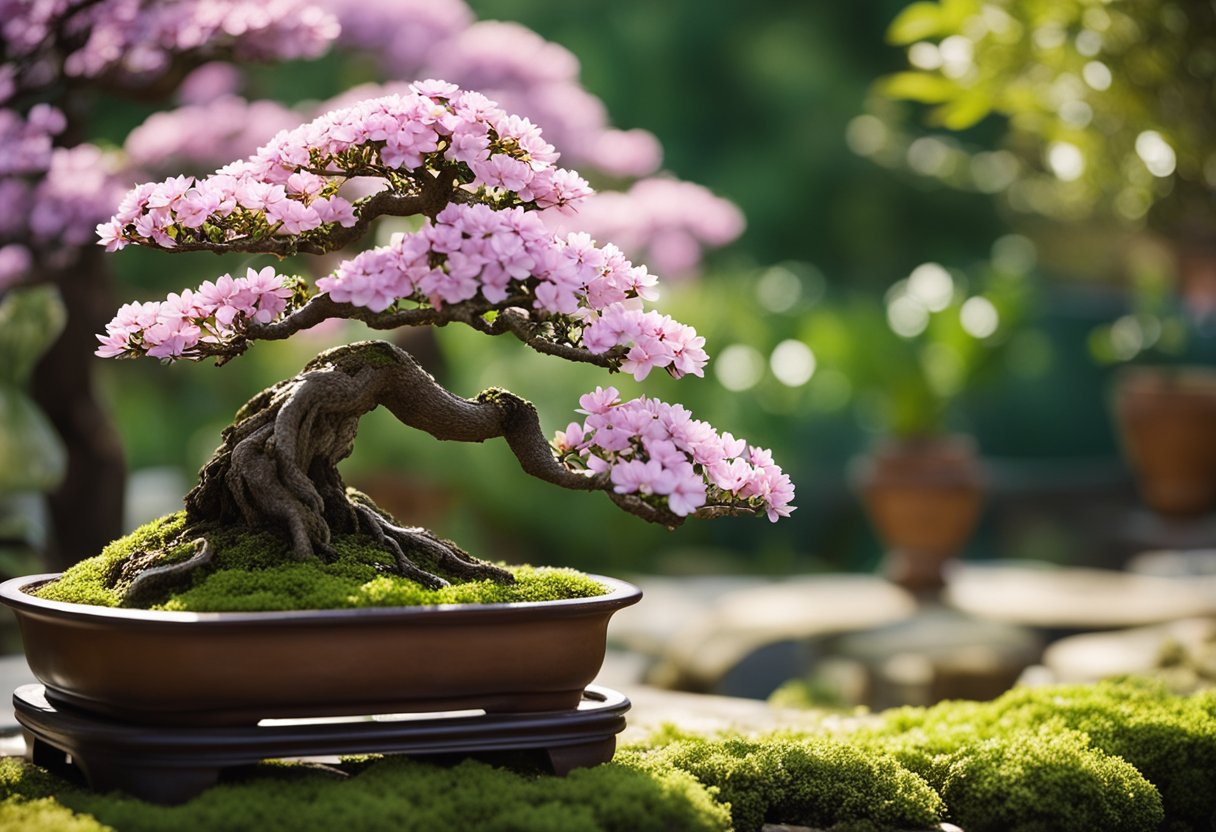
Bonsai trees are adaptable to different environmental conditions, but they still have specific requirements to thrive. One of the most important factors is sunlight. Bonsai trees need sunlight to grow and maintain their health. However, they can also adapt to different levels of light intensity, duration, and quality.
When growing bonsai trees, it is important to consider the environment where they will grow. The climate, temperature, humidity, and light conditions can affect their growth and survival. For example, some bonsai trees can survive in cold and dry climates, while others need warmer and more humid conditions.
In winter, bonsai trees may need to be protected from extreme cold, frost, and wind. They can be moved to a sheltered and shaded area, or covered with a protective layer of mulch or cloth. However, they still need some light to photosynthesize and produce energy. Therefore, it is important to find a balance between protecting them from stress and providing them with enough light.
Bonsai trees can also adapt to shaded areas, but they may grow slower and have smaller leaves and weaker branches. They can also develop a different shape and form, depending on the direction and intensity of the light. Therefore, it is important to position them in a way that allows them to receive enough light from different angles.
In summary, bonsai trees need sunlight to grow and survive, but they can also adapt to different environmental conditions. It is important to provide them with the right amount and quality of light, depending on their species, location, and season. By understanding their needs and adapting to their environment, bonsai trees can thrive and bring beauty and joy to their owners.
Bonsai Tree Health and Growth
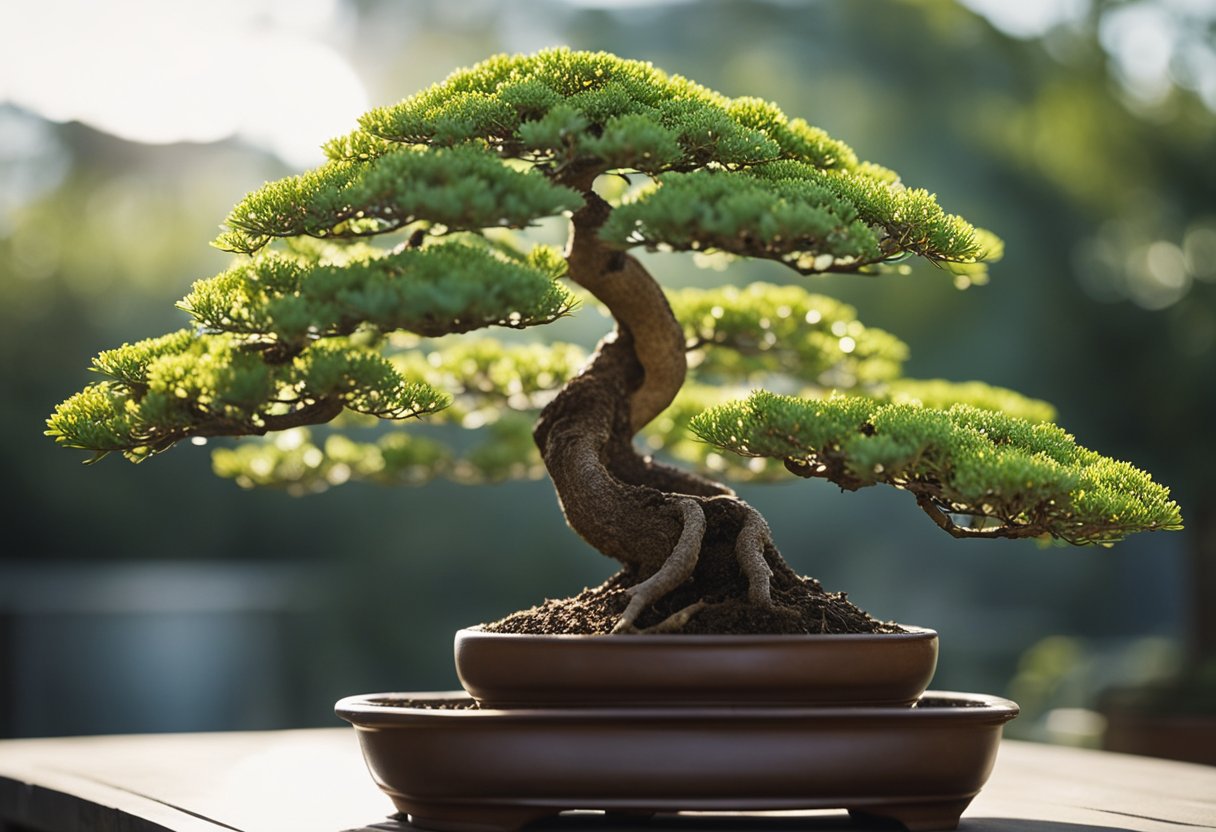
Bonsai trees are miniature versions of trees that grow in nature. They require the same basic needs as their larger counterparts, including sunlight, water, and nutrients. Sunlight is essential for bonsai tree health and growth, as it provides the energy needed for photosynthesis.
When a bonsai tree does not receive enough sunlight, it can affect its growth and overall health. The leaves may turn brown, the stem may become leggy, and the tree may become weak and susceptible to pests and diseases. On the other hand, too much sunlight can cause the leaves to become crispy and dry out, leading to damage and even death of the tree.
Different species of bonsai trees have varying requirements for sunlight. Some species can tolerate low light conditions, while others need direct sunlight for several hours a day. It is important to research the specific requirements of the bonsai tree species you are growing to ensure it receives the right amount of sunlight.
In addition to sunlight, bonsai trees require a well-draining soil system and regular feeding to maintain their health and growth. The soil system should be able to retain moisture while allowing excess water to drain away to prevent root rot. Bonsai trees also require regular feeding with a balanced fertilizer to provide the necessary nutrients for growth and development.
Overall, providing the right amount of sunlight, water, and nutrients is essential for the health and growth of bonsai trees. By understanding the specific requirements of the bonsai tree species you are growing and providing the necessary care, you can enjoy a beautiful and healthy bonsai tree for years to come.
Additional Care for Bonsai Trees
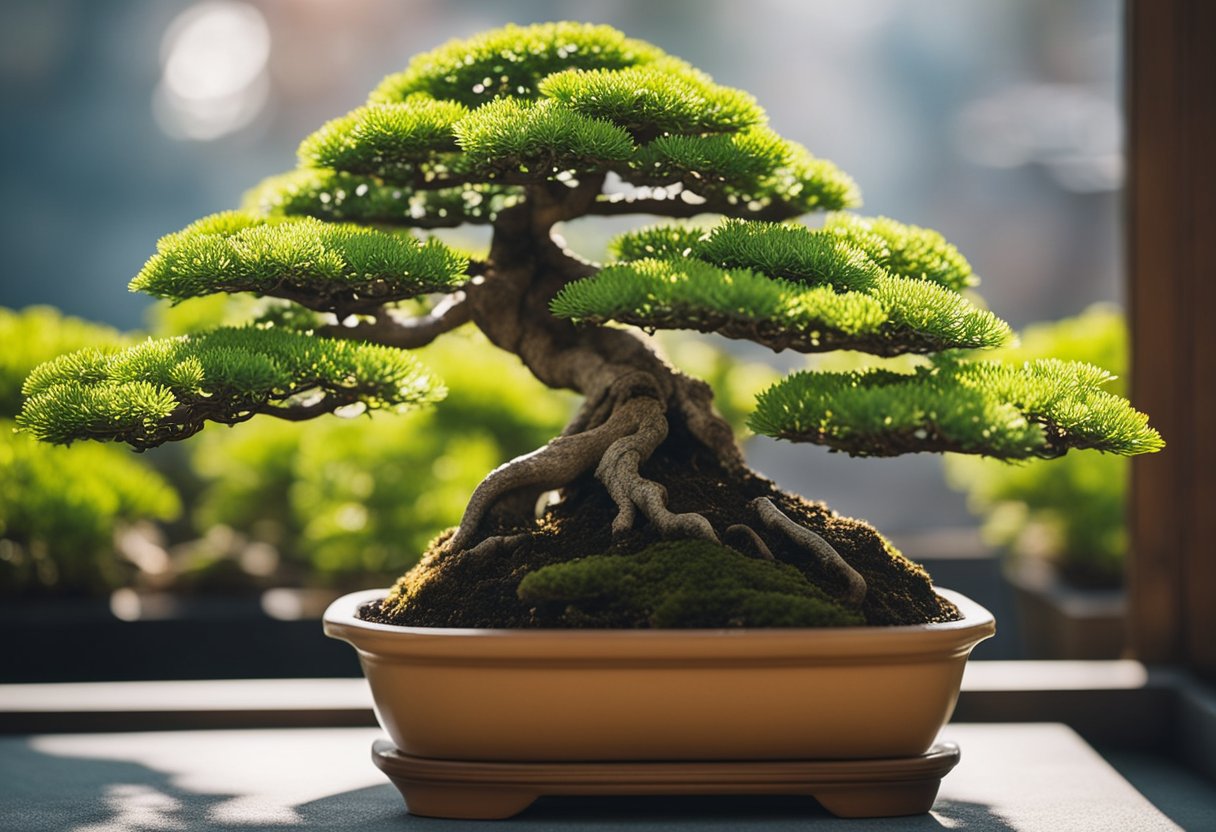
In addition to sunlight, there are other aspects of care that are important for the health of bonsai trees. Here are some key points to keep in mind:
Watering
Bonsai trees require regular watering to maintain their health. However, it is important not to overwater them, as this can lead to root rot and other issues. The frequency and amount of watering will depend on factors such as the species of tree, the size of the pot, and the climate. As a general rule, the soil should be kept slightly moist but not waterlogged.
Soil
The soil used for bonsai trees should be well-draining and nutrient-rich. It is important to use soil that is specifically designed for bonsai trees, as regular potting soil may not provide the right balance of nutrients and drainage. Additionally, the soil should be replaced periodically to prevent nutrient depletion and other issues.
Pots and Containers
The pots and containers used for bonsai trees should be appropriately sized for the tree, with enough room for the roots to grow. Additionally, the pots should have drainage holes to allow excess water to escape. It is also important to clean the pots regularly to prevent the buildup of algae and other harmful substances.
Location
The location of the bonsai tree can have a significant impact on its health. It is important to choose a spot that provides the right amount of sunlight, as well as protection from extreme temperatures, wind, and other environmental factors. Additionally, it is important to avoid placing the tree in a location where it is likely to be bumped or knocked over.
Intensity of Light
While bonsai trees require sunlight to grow, it is important to be mindful of the intensity of light they receive. Direct sunlight can be too intense for some species of bonsai, and may cause the leaves to wilt or burn. In these cases, it may be necessary to provide some shade or to move the tree to a location with less intense light.
Avoiding Death
With proper care, bonsai trees can thrive for many years. However, there are certain things that can cause them to die, such as overwatering, underwatering, and exposure to extreme temperatures. It is important to monitor the tree regularly and to address any issues that arise promptly to prevent serious damage or death.
Bonsai Trees for Beginners
Bonsai trees are miniature trees that are grown in pots. They are a great way to bring nature indoors and add a touch of greenery to any space. However, growing bonsai trees can be a bit challenging, especially for beginners. In this section, we will discuss some of the best bonsai trees for beginners and how to care for them.
Best Bonsai Trees for Beginners
There are many types of bonsai trees to choose from, but some are better suited for beginners than others. Here are a few options to consider:
-
Hawaiian Umbrella Bonsai Tree: This is a great choice for beginners because it is easy to care for and can tolerate a range of light conditions. It also has a unique and interesting appearance with its umbrella-shaped canopy.
-
Ficus Bonsai Tree: Ficus trees are good for beginners because they are hardy and can tolerate some neglect. They also respond well to training and shaping.
-
Jade Bonsai Tree: Jade trees are another good option for beginners because they are easy to care for and can tolerate low light conditions. They also have a unique appearance with their thick, fleshy leaves.
Sunlight for Bonsai Trees
Sunlight is essential for bonsai trees to grow and remain healthy. In general, bonsai trees love sunlight. However, the amount of sunlight they need can vary depending on the type of tree and the time of year. During the peak months, bonsai trees can need as much as 8 hours of direct sunlight per day to remain healthy.
If you are growing your bonsai tree indoors, it can be challenging to provide it with enough sunlight. In most homes, south-facing windows are the only places with sufficient sunlight. If you place your tree anywhere else, you’ll likely need to supplement with artificial lighting.
Caring for Bonsai Trees
Caring for bonsai trees can be challenging, but it is essential to keep them healthy. Here are a few tips for caring for your bonsai tree:
-
Water your bonsai tree regularly, but be careful not to overwater it. The frequency of watering depends on the type of tree and the environment.
-
Fertilize your bonsai tree regularly to provide it with the nutrients it needs to grow. You can use a slow-release fertilizer or a liquid fertilizer.
-
Prune your bonsai tree regularly to maintain its shape and size. You can use pruning shears or scissors to remove any dead or damaged branches.
-
Repot your bonsai tree every few years to refresh the soil and give it more space to grow. Use a well-draining soil mix and a pot that is slightly larger than the current one.
Buying Bonsai Trees on Amazon
If you are looking to buy a bonsai tree, Amazon is a great place to start. They have a wide selection of bonsai trees to choose from, and many come with detailed care instructions. However, it is essential to read reviews and do your research before making a purchase to ensure you are getting a healthy tree.
In conclusion, bonsai trees are a great way to bring nature indoors and add a touch of greenery to any space. With the right care and attention, even beginners can grow beautiful bonsai trees.