Can Succulents Take Full Sun? A Comprehensive Guide
Succulents are a popular choice for indoor and outdoor gardening due to their low maintenance and unique appearance. However, many people wonder if succulents can take full sun. The answer to this question is not straightforward, as it depends on the type of succulent and the climate in which it is grown.
This post may contain affiliate links, which means I’ll receive a commission if you purchase through my link, at no extra cost to you. Please read full disclosure here.
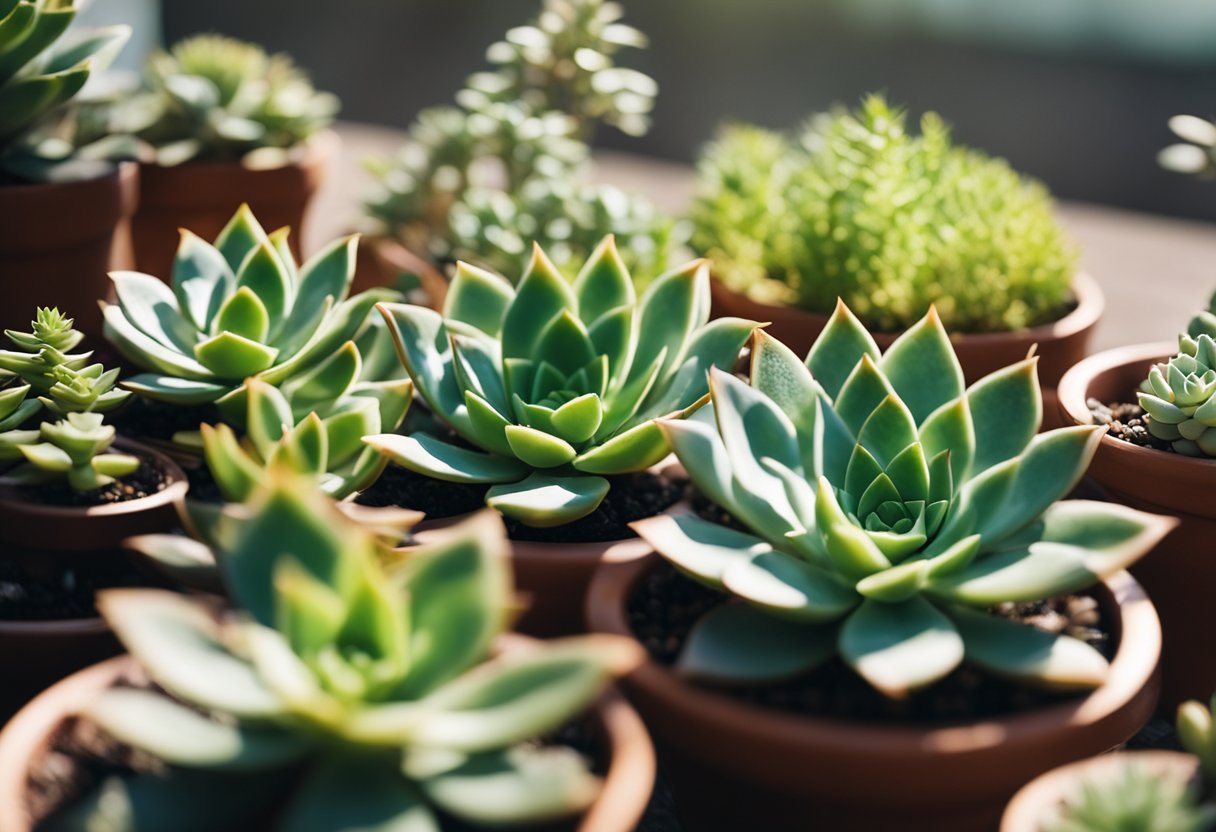
In general, most succulents can tolerate full sun for at least part of the day. They are adapted to arid environments and have developed mechanisms to store water, which allows them to survive in hot and dry conditions. However, some succulents are more sensitive to direct sunlight and may require some shade during the hottest part of the day. It is important to research the specific needs of each succulent before planting it in a full sun location.
Overall, succulents can take full sun if they are the right type and are grown in the appropriate climate. With proper care and attention, succulents can thrive in a variety of conditions and add a unique touch to any garden or indoor space.
Understanding Succulents and Sunlight
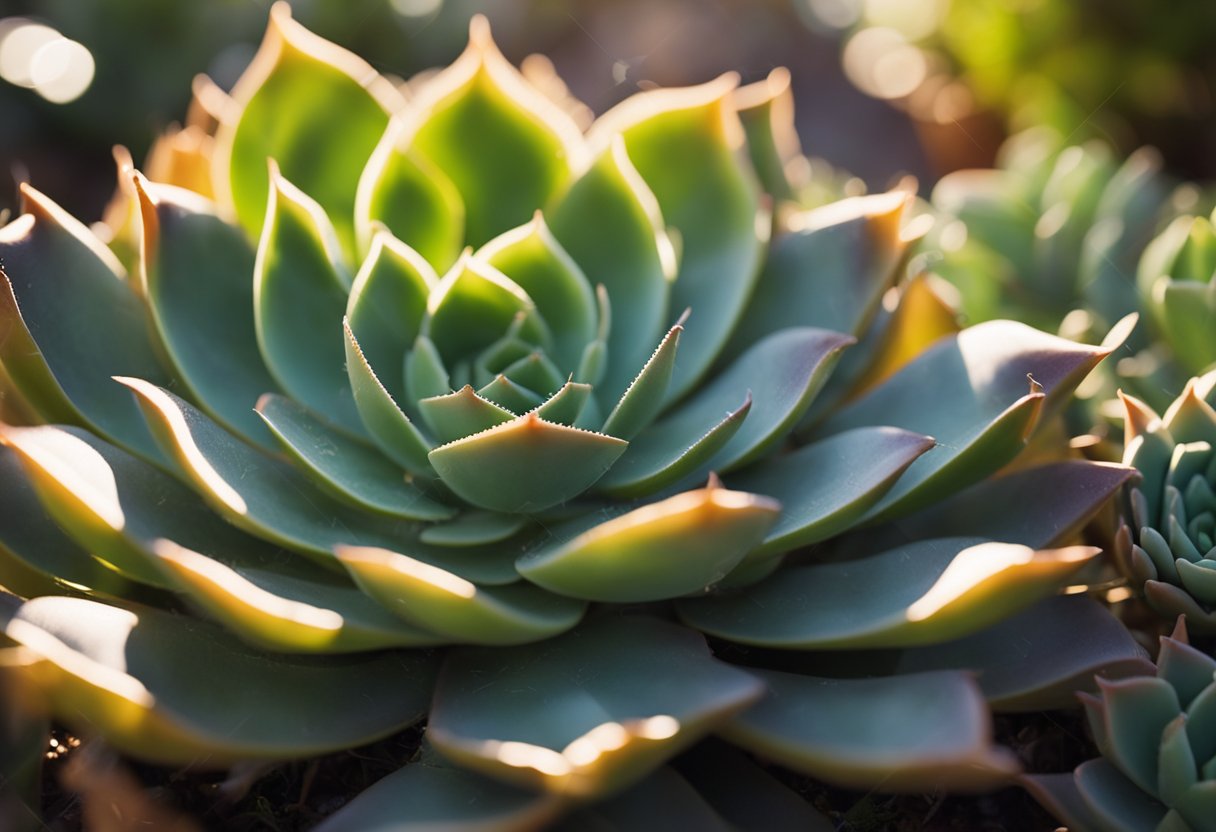
Succulents are known for their ability to thrive in extreme conditions, including intense heat and drought. However, not all succulents are created equal, and some can handle full sun better than others.
Sunlight is essential for succulents to undergo photosynthesis, a process that converts light energy into chemical energy. Without enough sunlight, succulents may become weak and leggy, with stretched-out stems and sparse foliage.
While succulents generally prefer bright, sunny locations, they can also suffer from too much direct sunlight. High temperatures and intense light can cause sunburn, which manifests as brown spots or patches on the leaves.
To determine whether a succulent can handle full sun, it’s important to consider its natural habitat. Succulents that originate from arid regions with high sun exposure, such as cacti and agave, are generally more tolerant of full sun than those that come from shadier environments.
It’s also important to note that even succulents that can handle full sun may still benefit from some shade during the hottest parts of the day. Providing some protection, such as under a tree or patio umbrella, can help prevent sunburn and keep succulents looking their best.
Overall, understanding the relationship between succulents and sunlight is essential for keeping these hardy plants healthy and thriving. By providing the right amount of light and protection, succulent enthusiasts can enjoy a beautiful and low-maintenance garden that’s full of character and charm.
Types of Succulents that Thrive in Full Sun
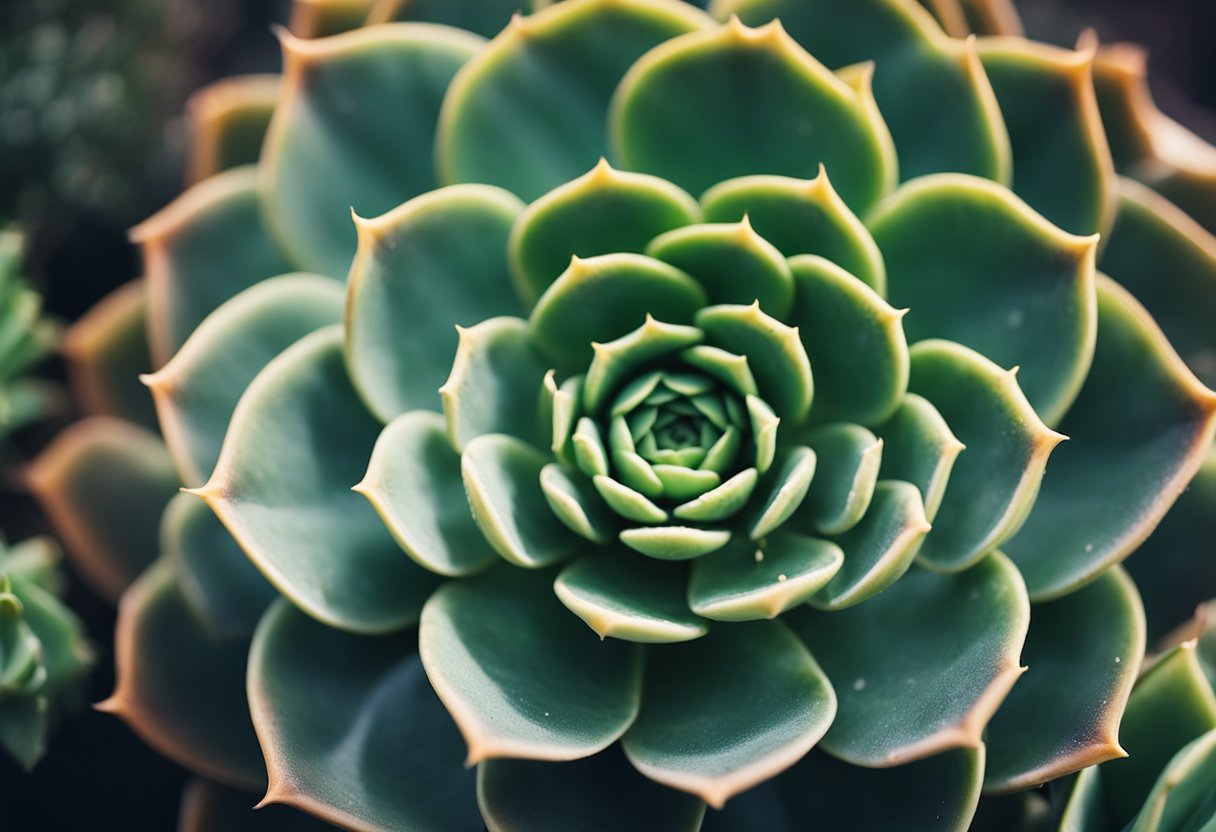
When it comes to growing succulents, it is important to consider the amount of sunlight they need. While some succulents can tolerate partial shade, others thrive in full sun. Here are some types of succulents that can handle full sun exposure:
Cactus Varieties
Cacti are one of the most popular types of succulents that can handle full sun exposure. The prickly pear cactus, also known as the Opuntia, is a great choice for those looking to add some variety to their garden. The Old Man Cactus and the Golden Barrel Cactus are also great choices for those looking for a low-maintenance option.
Non-Cactus Varieties
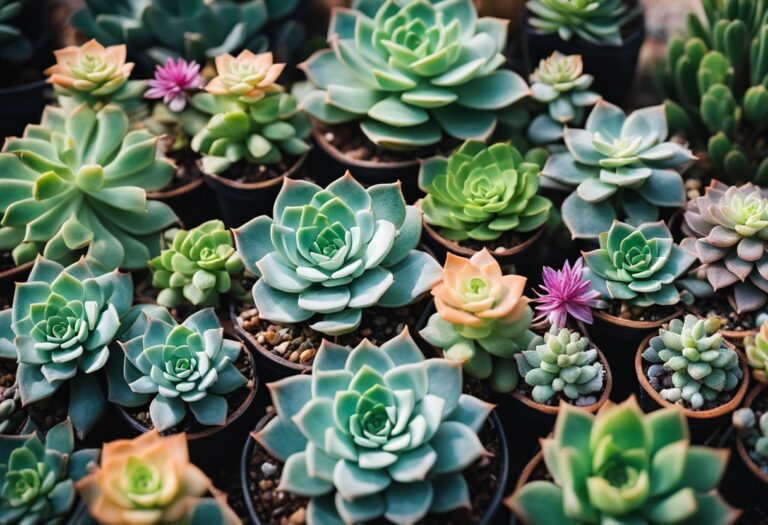
While cacti are a popular choice, there are also plenty of non-cactus succulents that can handle full sun exposure. Aeoniums are a great option for those looking for a unique and colorful addition to their garden. Agaves are another great choice, with their rosette-shaped leaves and striking appearance. Senecio Blue Chalkstick, Echeveria, and Aloe are also popular choices.
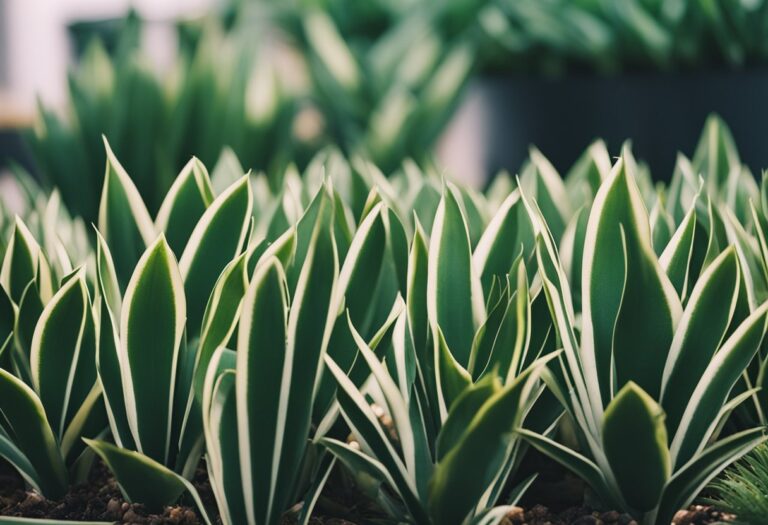
Other popular non-cactus varieties include Euphorbia, Crassula, Sedum, Kalanchoe, Pachyphytum, and Graptopetalum. The Crassula Ovata, also known as the Jade Plant, and the Snake Plant are also great options for those looking for a low-maintenance succulent that can handle full sun exposure. Donkey’s Tail and Kalanchoe Thyrsiflora are also great options for those looking for a unique and eye-catching addition to their garden.
Overall, there are plenty of succulent varieties that can handle full sun exposure. When selecting succulents for your garden, it is important to consider their specific light requirements and choose varieties that can thrive in your particular climate and growing conditions.
Effects of Full Sun on Succulents
Benefits of Sun Exposure
Succulents are known for their ability to thrive in hot and dry conditions. In their natural habitat, they are exposed to long hours of sunlight and intense light. When succulents are exposed to full sun, they tend to produce more vibrant colors and grow more compactly. This is because the intense light and hot temperatures stimulate the production of pigments that protect the plant from sun damage.
Potential Sun Damage
While succulents can tolerate full sun exposure, it is important to note that too much direct sunlight can cause sunburn and damage to the plant. Sunburned leaves will turn brown or white and will eventually wither and die. In extreme cases, succulents can die from too much sun exposure.
To prevent sun damage, it is recommended to gradually introduce succulents to direct sunlight. Start by exposing them to a few hours of direct sunlight each day and gradually increase the exposure time over a period of several weeks. Most succulents can tolerate full sun for most of the day if they are acclimated properly.
It is also important to note that not all succulents are the same. Some succulents are more sensitive to direct sunlight than others. For example, succulents with thin leaves are more likely to suffer from sun damage than those with thicker leaves. It is important to research the specific needs of each succulent species to ensure that they receive the appropriate amount of sunlight.
In conclusion, while succulents can tolerate full sun exposure, it is important to be mindful of the potential for sun damage. Gradual acclimation and research into the specific needs of each succulent species can help prevent sunburn and ensure that they thrive in their environment.
Adapting Succulents to Full Sun
Succulents are hardy plants that can adapt to various light conditions, including full sun. However, it is crucial to acclimate them gradually to prevent sunburn and other stress-related issues. This section will discuss the steps to adapt succulents to full sun, whether they are grown indoors or outdoors.
Indoor Succulents
Indoor succulents are typically grown in low to medium light conditions. When moving them to a sunny location, it is essential to acclimate them gradually. Here are the steps to follow:
- Start by placing the succulent in a location with indirect sunlight for a few hours each day.
- After a few days, gradually increase the time the succulent spends in direct sunlight.
- Monitor the plant for any signs of stress or sunburn, such as brown or black spots on the leaves.
- If the plant shows signs of stress, move it back to a shadier location and try again in a few days.
Outdoor Gardens
When planting succulents in an outdoor garden, it is crucial to choose a location that receives full sun for most of the day. However, it is still important to acclimate the plants to prevent sunburn and other issues. Here are the steps to follow:
- Start by planting the succulent in a location with partial shade or filtered sunlight.
- Gradually increase the amount of direct sunlight the plant receives each day by moving it to a sunnier location.
- Monitor the plant for any signs of stress or sunburn, such as brown or black spots on the leaves.
- If the plant shows signs of stress, move it back to a shadier location and try again in a few days.
Natural Light vs. Artificial Light
While succulents can thrive in full sun, they can also adapt to artificial light sources, such as grow lights. When transitioning succulents from natural light to artificial light, it is essential to acclimate them gradually. Here are the steps to follow:
- Start by placing the succulent under the grow light for a few hours each day.
- After a few days, gradually increase the time the succulent spends under the grow light.
- Monitor the plant for any signs of stress or sunburn, such as brown or black spots on the leaves.
- If the plant shows signs of stress, move it back to a location with natural light and try again in a few days.
In conclusion, succulents can adapt to full sun conditions with proper acclimation. Whether grown indoors or outdoors, it is crucial to monitor the plant for any signs of stress or sunburn and adjust the light conditions accordingly.
Caring for Sun-Exposed Succulents
Succulents are known for their ability to thrive in full sun conditions, but they still require proper care and attention to ensure their health and longevity. Here are some key considerations to keep in mind when caring for succulents that are exposed to direct sunlight.
Watering and Moisture
Succulents are drought-tolerant plants that store water in their leaves and stems. However, they still need adequate moisture to thrive, especially when exposed to direct sunlight. It’s important to water succulents deeply and infrequently, allowing the soil to dry out completely between waterings. In hot, dry climates, succulents may need to be watered more frequently to prevent dehydration.
Temperature and Climate
Most succulents are native to arid climates and can tolerate extreme temperatures, but they may need protection from frost and extreme heat. In cold climates, succulents should be brought indoors or covered with a frost cloth during the winter months. In hot, sunny climates, succulents may need shade cloth or partial shade to protect them from intense sunlight and heat.
Container and Size Considerations
The size and type of container can also affect the health of sun-exposed succulents. Succulents need well-draining soil and containers with drainage holes to prevent water from pooling around the roots. They also need enough space to grow and thrive. Small succulents can be grown in shallow containers or on a windowsill, while larger succulents may need a larger pot or to be planted directly in the ground.
Overall, succulents are hardy and adaptable plants that can thrive in a variety of conditions, including full sun. By providing adequate moisture, protecting them from extreme temperatures, and choosing the right container and size, you can ensure that your sun-exposed succulents stay healthy and vibrant.
Common Issues with Sun-Exposed Succulents
Succulents are known for their ability to thrive in hot and dry environments, which makes them a popular choice for gardeners who live in areas with plenty of sun exposure. However, even succulents can experience issues when exposed to too much sun. In this section, we will discuss some of the common issues that succulents can face when exposed to full sun.
Etiolation and Legginess
One of the most common issues that succulents face when exposed to too much sun is etiolation, which is a process where the plant becomes leggy and stretched out. This happens because the plant is trying to reach for more sunlight, which causes it to grow taller and thinner than it would in its natural environment. Etiolation can make succulents look unhealthy and unattractive, and it can also weaken their structure and make them more susceptible to damage from wind and rain.
Root Rot
Another issue that can arise when succulents are exposed to too much sun is root rot. This occurs when the soil around the plant becomes too moist, which can happen when the plant is overwatered or when the soil is not well-draining. Root rot can cause the plant to become weak and wilted, and it can even kill the plant if left untreated.
Toxicity Concerns
Some succulents can be toxic to humans and pets, which is a concern for gardeners who have young children or animals that like to explore their surroundings. While most succulents are not poisonous, it is important to do your research before planting them in your garden. Some common succulents that are toxic include the jade plant, the string of pearls, and the crown of thorns.
In conclusion, while succulents can thrive in full sun conditions, they can still experience issues when exposed to too much sunlight. Etiolation, root rot, and toxicity concerns are just a few of the issues that gardeners should be aware of when planting succulents in their garden. By taking the necessary precautions and doing your research, you can ensure that your succulents stay healthy and beautiful for years to come.
Propagation of Sun-Loving Succulents
Succulents are known for their ability to propagate easily, making them a popular choice for gardeners and plant enthusiasts alike. Propagation is the process of creating new plants from existing ones, and it can be done in several ways.
One of the easiest ways to propagate sun-loving succulents is through leaf cuttings. To do this, simply remove a healthy leaf from the parent plant and let it dry out for a few days. Once the leaf has calloused over, place it on top of well-draining soil and mist it with water. Within a few weeks, roots should begin to form, and a new plant will start to grow.
Another method of propagation is through stem cuttings. This involves cutting a healthy stem from the parent plant and letting it dry out for a few days. Once the stem has calloused over, plant it in well-draining soil and mist it with water. Within a few weeks, roots should begin to form, and a new plant will start to grow.
Some sun-loving succulents can also be propagated through offsets or pups. These are small plants that grow from the base of the parent plant and can be removed and planted on their own. Simply separate the pup from the parent plant and plant it in well-draining soil. Within a few weeks, roots should begin to form, and a new plant will start to grow.
When propagating sun-loving succulents, it’s important to keep them in a sunny location. These plants thrive in bright, direct sunlight, so be sure to provide them with plenty of light. It’s also important to avoid overwatering, as succulents are prone to rot in moist soil.
Overall, propagating sun-loving succulents is a simple and rewarding process. Whether you choose to propagate through leaf or stem cuttings, or through offsets, these plants are sure to thrive in a sunny location with well-draining soil and minimal watering.