Best Indoor Succulents for Low Light Environments
Succulents are a popular choice for indoor plants due to their unique appearance and low maintenance requirements. However, not all succulents thrive in low light conditions. Fortunately, there are several varieties of succulents that can survive and even thrive in dimly lit indoor spaces.
This post may contain affiliate links, which means I’ll receive a commission if you purchase through my link, at no extra cost to you. Please read full disclosure here.
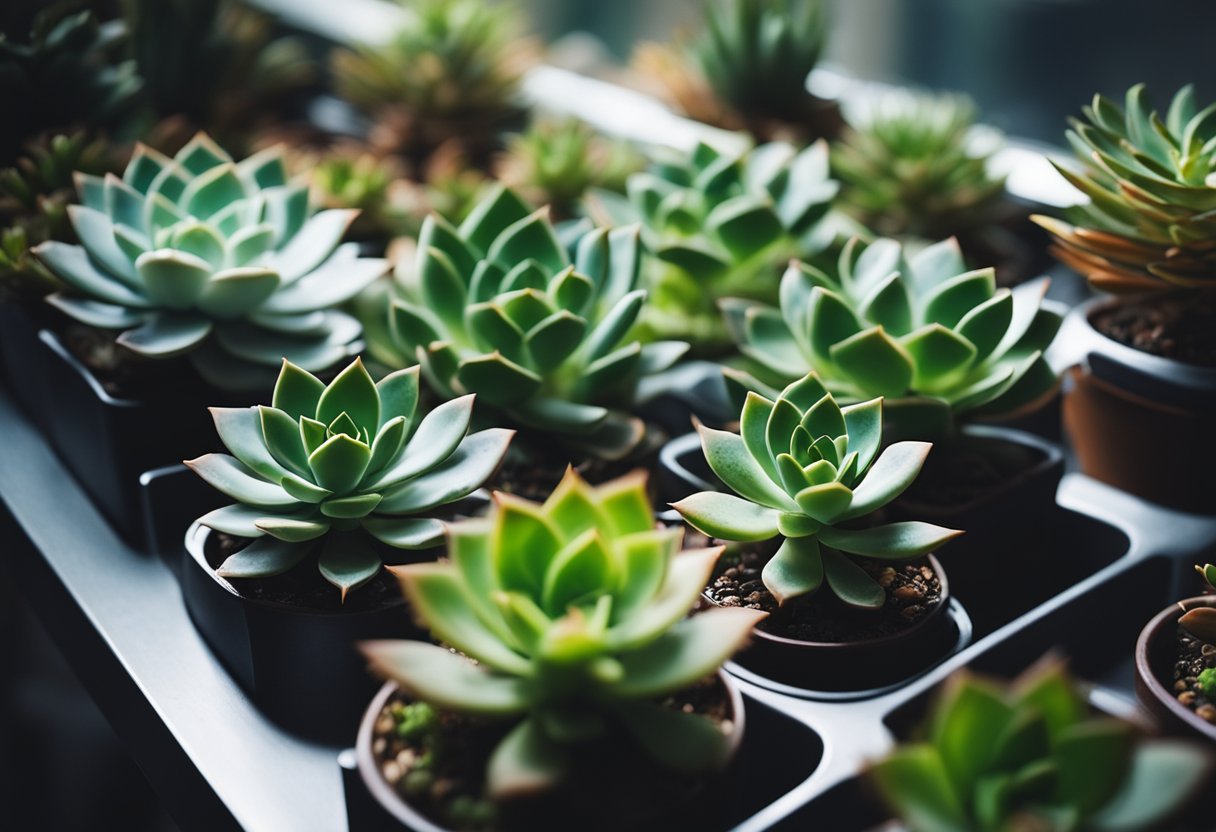
These low light succulents come in a variety of shapes, sizes, and colors, making them a versatile option for any indoor space. They can add a touch of greenery to a home or office without requiring direct sunlight, making them ideal for those with limited access to natural light. Whether you’re looking for a statement piece or a subtle addition to your decor, there’s a low light succulent that can fit your needs.
In this article, we will explore some of the best indoor succulents for low light conditions. We will provide information on each plant’s unique characteristics, care requirements, and tips for keeping them healthy in dimly lit spaces. Whether you’re an experienced plant parent or just starting out, this guide will help you find the perfect low light succulent for your indoor space.
Understanding Indoor Succulents
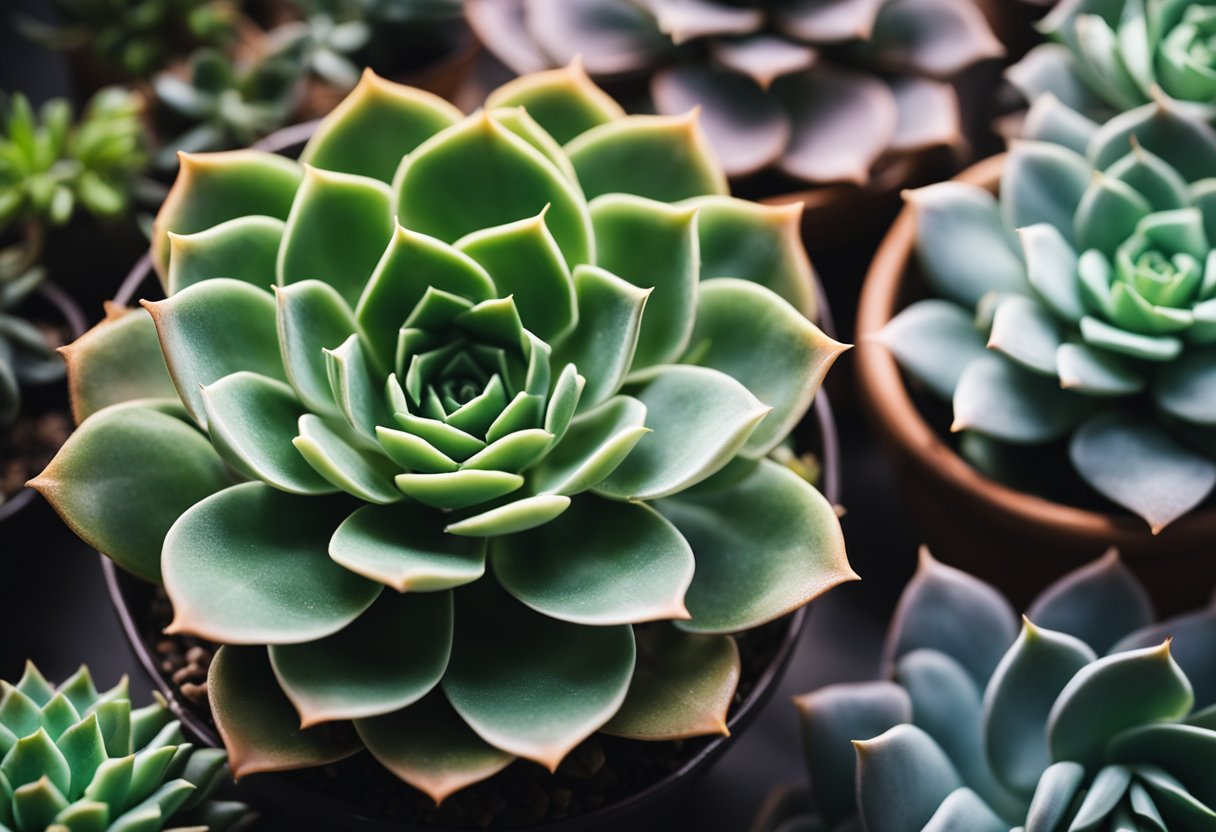
Indoor succulents are a type of plant that can thrive in low-light conditions and are perfect for those who want to add some greenery to their homes but don’t have a lot of natural light. Succulents are known for their fleshy leaves and stems, which help them store water and survive in arid conditions. They come in a wide variety of shapes, sizes, and colors, making them a popular choice for indoor gardening.
When it comes to choosing the right indoor succulent, there are a few things to keep in mind. First, consider the amount of light your home receives. While succulents can survive in low-light conditions, they still need some amount of light to thrive. Some indoor succulents require more light than others, so it’s important to choose a plant that matches the light conditions in your home.
Another thing to consider is the type of soil your succulent will be planted in. Succulents require well-draining soil that allows water to flow through quickly, as they are susceptible to root rot if their roots sit in water for too long. It’s also important to choose a pot with drainage holes to ensure excess water can escape.
Indoor succulents are relatively easy to care for, but they do require some attention. They should be watered only when the soil is completely dry, as overwatering can lead to root rot. In addition, succulents benefit from occasional fertilization with a balanced fertilizer.
Overall, indoor succulents are a great choice for those looking to add some greenery to their homes. They are easy to care for, come in a variety of shapes and sizes, and can thrive in low-light conditions.
Top Low Light Succulents
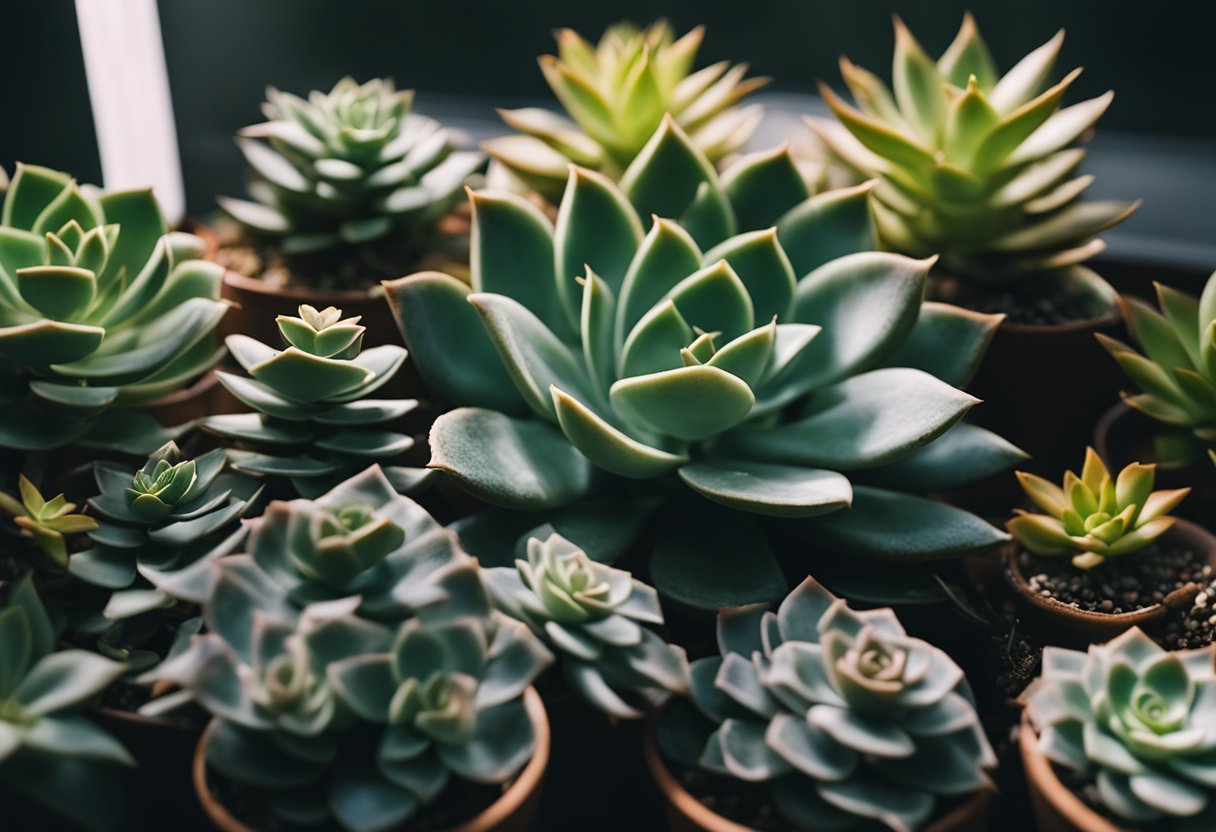
When it comes to indoor plants, succulents are a popular choice due to their low maintenance and unique appearance. However, finding the right succulent for a low light environment can be a challenge. Fortunately, there are many low light succulents that can thrive in dimly lit indoor spaces.
One of the best low light succulents is the Snake Plant (Sansevieria trifasciata). This plant is known for its ability to purify the air and requires very little water. It can tolerate low light conditions and can even survive in artificial light.
Another great option is the Zebra Plant (Haworthia fasciata). This succulent has striking white stripes on its dark green leaves and can tolerate low light conditions. It is also a slow grower, making it a perfect choice for small spaces.
The Jade Plant (Crassula ovata) is another popular low light succulent. It has thick, glossy leaves and can tolerate low light conditions. It is also easy to care for and can be propagated easily.
For those looking for a unique low light succulent, the String of Pearls (Senecio rowleyanus) is a great choice. This plant has small, spherical leaves that resemble pearls and can tolerate low light conditions. It is also a trailing plant, making it a great option for hanging baskets.
Other low light succulents that can thrive in indoor spaces include the Aloe Vera (Aloe barbadensis), the Crown of Thorns (Euphorbia milii), and the Panda Plant (Kalanchoe tomentosa).
Overall, there are many low light succulents to choose from that can add a touch of green to any indoor space. By selecting the right plant and providing the proper care, these succulents can thrive in even the dimmest of rooms.
Detailed Profiles of Low Light Succulents
Here are some of the best low light indoor succulents that can thrive in dimly lit spaces:
Snake Plant
The Snake Plant, also known as Sansevieria Trifasciata, is one of the most popular low light succulents. It has long, upright leaves that are green with yellow edges. It is a hardy plant that can survive in low light conditions and is also known for its air-purifying properties.
ZZ Plant
The ZZ Plant, or Zamioculcas Zamiifolia, is another popular low light succulent. It has shiny, dark green leaves that grow in a graceful, upright pattern. It is a low maintenance plant that can survive in low light and is also known for its air-purifying properties.
Haworthia
Haworthia is a small, low light succulent that has thick, fleshy leaves that grow in a rosette pattern. It is a slow-growing plant that can survive in low light conditions and is perfect for small spaces.
Jade Plant
The Jade Plant, also known as Crassula Ovata, is a classic low light succulent. It has thick, fleshy leaves that are green with a hint of red on the edges. It is a hardy plant that can survive in low light conditions and is also known for its good luck properties.
Ponytail Palm
The Ponytail Palm, or Beaucarnea Recurvata, is a unique low light succulent. It has a bulbous trunk that stores water and long, thin leaves that grow out of the top like a ponytail. It is a hardy plant that can survive in low light conditions and is perfect for adding some character to your indoor space.
Christmas Cactus
The Christmas Cactus, or Schlumbergera, is a low light succulent that blooms in the winter. It has flat, segmented leaves that grow in a scalloped pattern and produces beautiful pink, red, or white flowers. It is a hardy plant that can survive in low light conditions and is perfect for adding some color to your indoor space during the winter months.
Mistletoe Cactus
The Mistletoe Cactus, or Rhipsalis, is a low light succulent that has thin, trailing stems that grow in a cascading pattern. It produces small, white flowers and is a hardy plant that can survive in low light conditions.
Aloe Vera
Aloe Vera is a low light succulent that has thick, fleshy leaves that grow in a rosette pattern. It is a hardy plant that can survive in low light conditions and is also known for its healing properties.
Gasteria
Gasteria is a low light succulent that has thick, fleshy leaves that grow in a rosette pattern. It is a slow-growing plant that can survive in low light conditions and is perfect for small spaces.
Bear Paw
Bear Paw, or Cotyledon Tomentosa, is a low light succulent that has thick, fuzzy leaves that resemble a bear paw. It produces small, bell-shaped flowers and is a hardy plant that can survive in low light conditions.
Zebra Cactus
The Zebra Cactus, or Haworthia Fasciata, is a low light succulent that has thick, fleshy leaves that are green with white stripes. It is a slow-growing plant that can survive in low light conditions and is perfect for small spaces.
Scarlet Ball Cactus
The Scarlet Ball Cactus, or Parodia Magnifica, is a low light succulent that has bright red, spherical flowers. It has a unique, spherical shape and is a hardy plant that can survive in low light conditions.
Lace Aloe
Lace Aloe, or Aloe Aristata, is a low light succulent that has thin, triangular leaves that grow in a rosette pattern. It produces small, orange flowers and is a hardy plant that can survive in low light conditions.
Desert Rose
The Desert Rose, or Adenium Obesum, is a low light succulent that has thick, fleshy leaves and produces beautiful pink or red flowers. It is a hardy plant that can survive in low light conditions and is perfect for adding some color to your indoor space.
Hoya Obovata
Hoya Obovata is a low light succulent that has thick, waxy leaves that grow in a trailing pattern. It produces small, fragrant flowers and is a hardy plant that can survive in low light conditions.
Gollum Jade
Gollum Jade, or Crassula Ovata Gollum, is a low light succulent that has thick, tubular leaves that resemble the character G
Caring for Low Light Succulents
Succulents are known for their easy-to-care-for nature, but when it comes to low light conditions, they require a bit more attention. Proper watering, lighting, temperature, and potting are key factors in keeping low light succulents healthy.
Watering
Overwatering is the most common mistake made with succulents, and low light conditions make it even more important to be cautious. Succulents store water in their leaves, so they can go longer periods without watering than other plants. In low light conditions, they will require less water than in bright light. Water only when the soil is completely dry, and make sure to use well-draining soil to prevent root rot.
Lighting
Succulents thrive in bright light, but in low light conditions, they will need to be placed in areas that receive indirect light or filtered light. Artificial light can also be used to supplement natural light, but make sure to use grow lights specifically designed for plants. Keep in mind that even low light succulents still require some amount of light to survive.
Temperature
Succulents prefer warm temperatures and can tolerate heat, but they do not do well in cold temperatures. Keep low light succulents in areas that are above 60°F (15°C) and avoid placing them near drafts or air conditioning vents.
Potting
Choosing the right pot and soil is important for low light succulents. Use a pot with drainage holes to prevent water from sitting in the soil and causing root rot. Use well-draining soil specifically designed for succulents and cacti. It is also important to repot succulents every 1-2 years to refresh the soil and provide more room for growth.
In summary, low light succulents require less water, indirect or filtered light, warm temperatures, and well-draining soil. By following these care tips, low light succulents can thrive in a variety of indoor environments.
Common Problems and Solutions
Succulents are known for being low maintenance plants, but they can still run into problems. Here are some common issues and solutions for indoor succulents in low light conditions:
Neglect
Neglect is one of the most common problems with indoor succulents. It can be easy to forget about your plants when they are not in direct view. However, succulents still need proper care and attention.
Solution: Set a reminder to check on your plants regularly. Make sure they are getting enough water and sunlight. If you are going to be away for an extended period, consider asking a friend or family member to take care of your plants.
Frost
While indoor succulents are not exposed to outdoor frost, they can still be affected by cold temperatures. Keep your succulents away from drafty windows and doors.
Solution: Move your plants to a warmer location if necessary. If you notice frost damage on your plants, remove the damaged leaves or stems.
Height
Succulents can sometimes grow too tall and become leggy in low light conditions. This can be caused by a lack of sunlight.
Solution: Move your plants to a brighter location if possible. If your succulent has already grown too tall, you can trim the top off and propagate it. This will encourage new growth and help your plant stay healthy.
Overall, by being aware of these common problems and solutions, you can help your indoor succulents thrive in low light conditions.
Benefits of Indoor Succulents
Indoor succulents are a great addition to any home or office space. Here are some of the benefits of having indoor succulents:
Soothing
Indoor succulents have a calming effect on people. They are known to reduce stress levels and anxiety, which is why they are often used in meditation rooms and spas. The green color of the succulents is also known to have a calming effect on the eyes, making them perfect for spaces where people spend a lot of time.
Low-Maintenance
Indoor succulents are low-maintenance plants. They require very little water and can survive in low-light conditions, making them perfect for people who don’t have a lot of time to care for plants or who don’t have access to direct sunlight. Succulents can also be propagated easily, which means you can grow new plants from the ones you already have.
In addition to being soothing and low-maintenance, indoor succulents are also great air purifiers. They absorb toxins from the air and release oxygen, which is great for your health. With so many benefits, it’s no wonder that indoor succulents are becoming more and more popular.
Conclusion
In conclusion, there are plenty of indoor succulent options that can thrive in low light conditions. Whether you prefer a classic Aloe Vera or a unique Bear Paws, there is a low-light succulent out there for everyone.
When selecting a succulent for your indoor space, it’s important to consider the lighting conditions of your home. If you have a darker space, opt for a succulent that can thrive in low light, such as a Sanseveria trifasciata or a Schlumbergera.
Remember to also consider the care requirements of the succulent, such as watering frequency and soil type. Some succulents, like the Haworthia margaritifera, prefer well-draining soil and infrequent watering.
Overall, with the right selection and care, low-light succulents can add a touch of greenery and life to any indoor space.